Hardware for Cabinets Kitchen: Complete Selection Guide
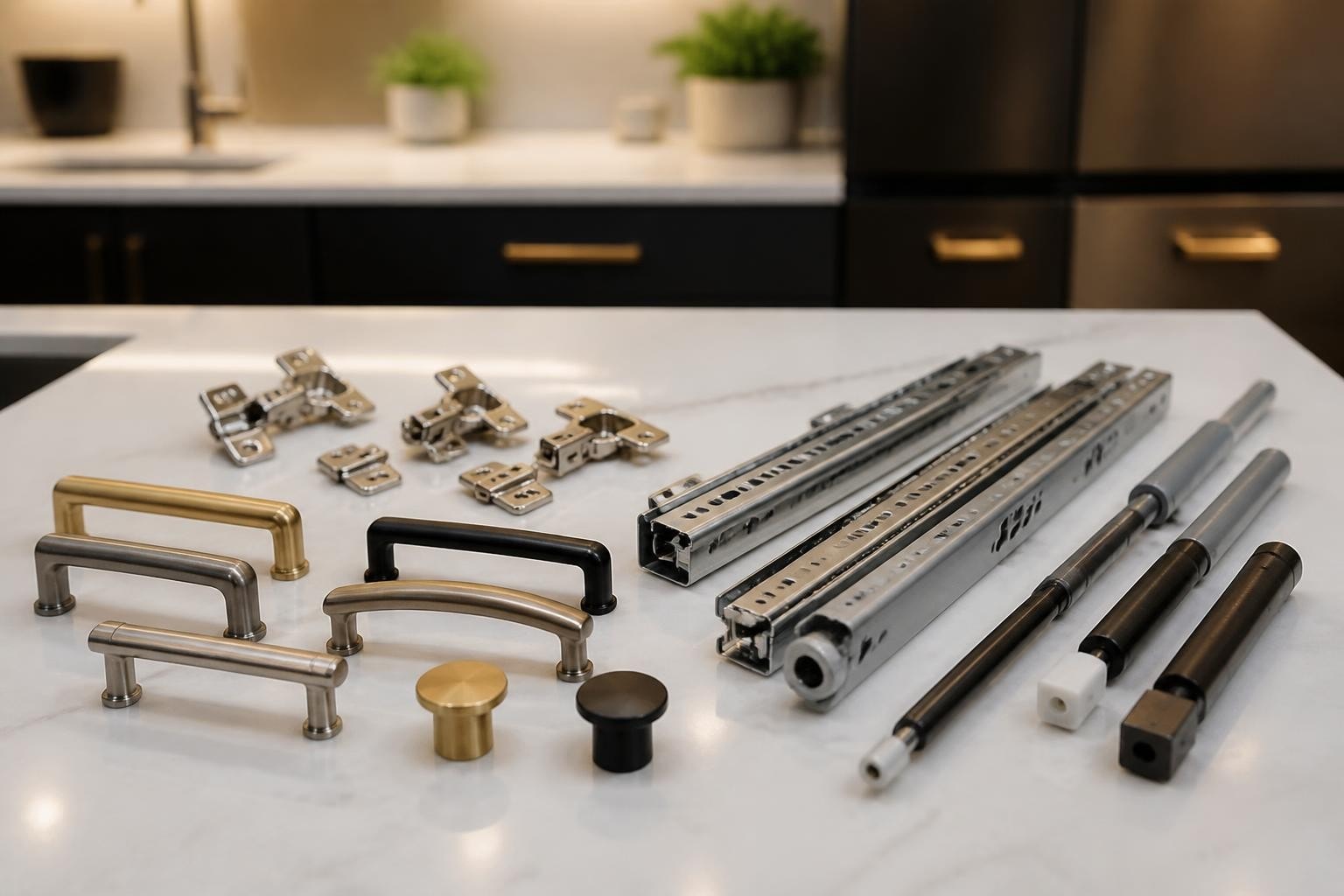
Selecting the right hardware for cabinets kitchen installations represents one of the most critical decisions in any kitchen renovation or new build project. The hardware you choose determines not only the aesthetic appeal of your cabinetry but also its functionality, durability, and daily user experience. From the subtle mechanics of soft-close hinges to the prominent visual impact of drawer pulls and knobs, every component plays a vital role in creating a kitchen that performs beautifully for years. Understanding the breadth of available options, quality considerations, and installation requirements empowers homeowners and professionals to make informed decisions that align with both design vision and practical needs.
Understanding Cabinet Hardware Categories
The world of hardware for cabinets kitchen encompasses several distinct categories, each serving specific functional purposes. Hinges form the foundation of door operation, while drawer slides enable smooth, reliable drawer movement. Handles and knobs provide the tactile interface between users and storage spaces, and specialty hardware includes organizational systems, lift mechanisms, and integrated lighting solutions.
When planning a kitchen, consider how these categories work together. A comprehensive hardware selection addresses both visible and hidden components:
- Concealed hinges that allow doors to open fully without visual interruption
- Soft-close mechanisms that prevent slamming and extend cabinet life
- Full-extension drawer slides that provide complete access to contents
- Ergonomic handles positioned for comfortable daily use
- Organizational inserts and pull-out systems that maximize storage efficiency
The quality differential between budget and premium hardware becomes apparent within months of installation. Professional-grade components from established manufacturers deliver consistent performance, precise adjustment capabilities, and longer service life. This investment in quality hardware for cabinets kitchen proves cost-effective over time, reducing maintenance needs and replacement frequency.
Hinge Selection and Specifications
Cabinet hinges represent the most frequently operated hardware component in any kitchen. A typical household opens and closes cabinet doors dozens of times daily, making hinge quality paramount. Kitchen hardware hinges come in various configurations designed for specific door types and cabinet construction methods.
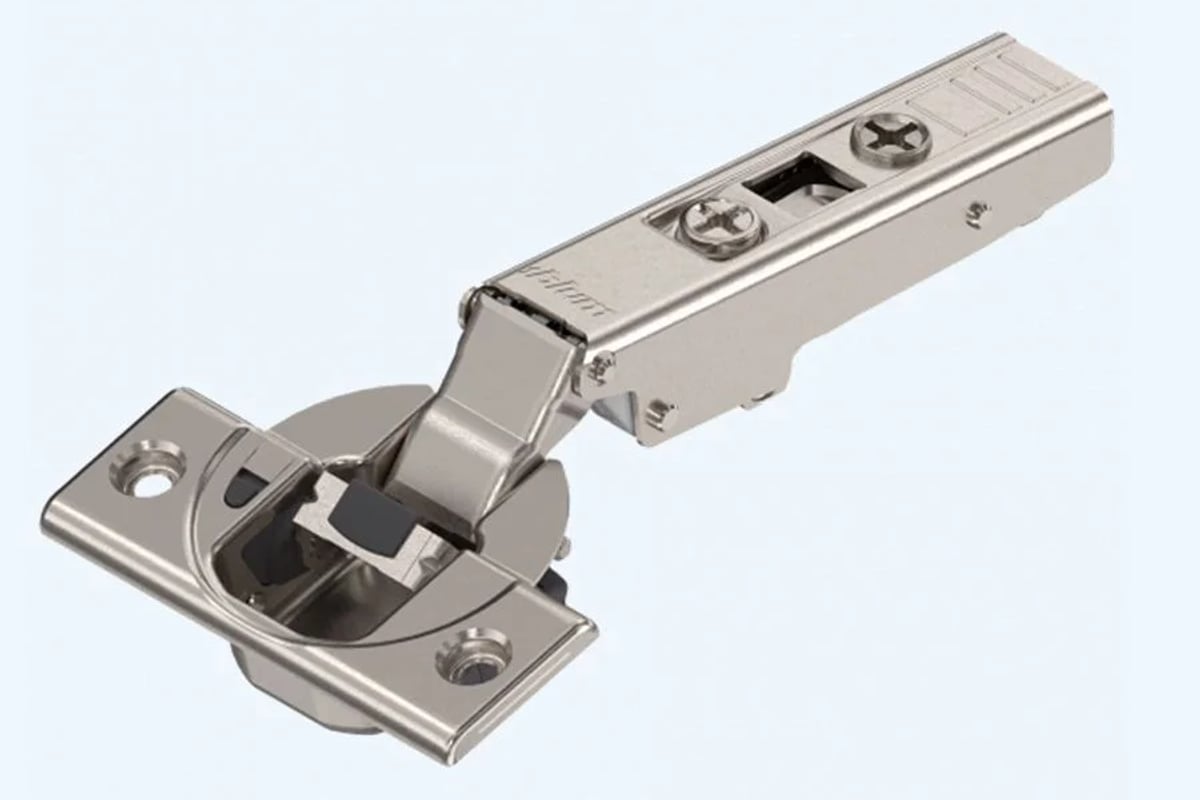
Concealed cup hinges dominate modern kitchen installations for good reason. These European-style hinges mount inside the cabinet box, providing clean lines and extensive adjustment capabilities. Standard specifications include 35mm boring for the hinge cup, with options for different opening angles, overlay dimensions, and soft-close integration.
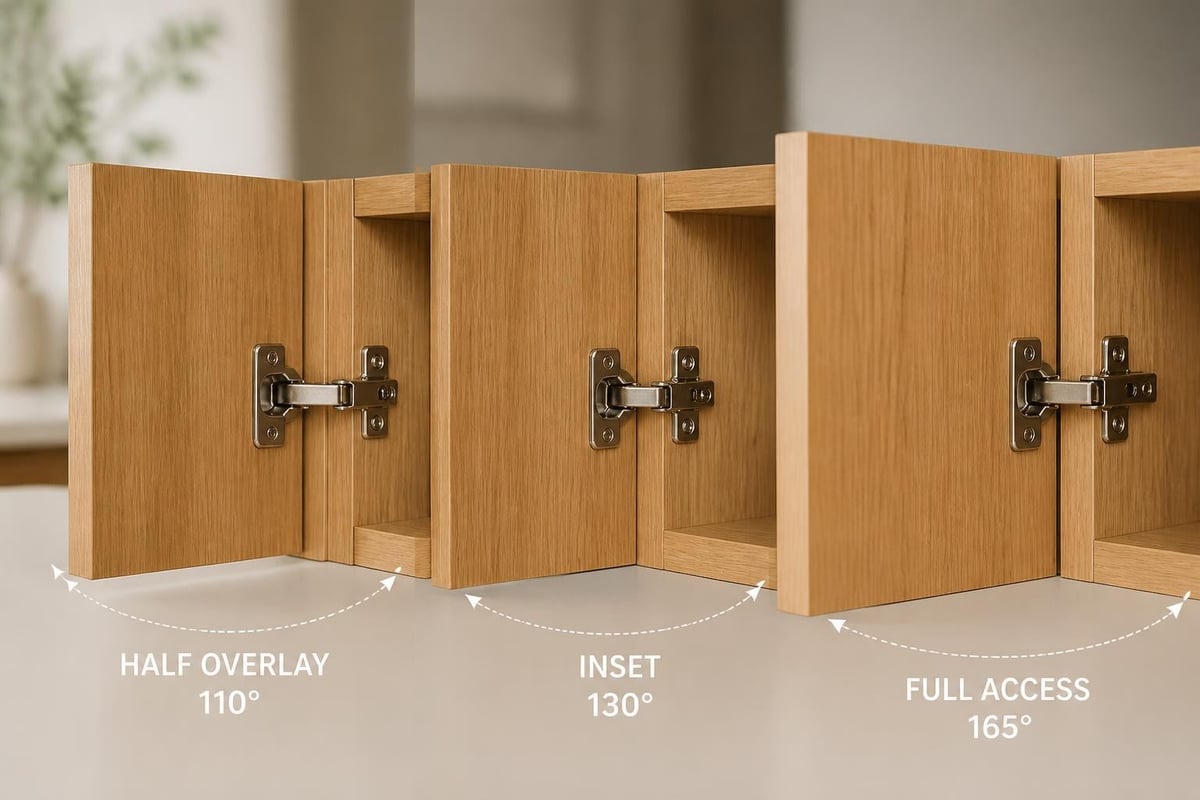
| Hinge Type | Opening Angle | Best Application | Adjustment Range |
|---|---|---|---|
| Standard Overlay | 110° | Face-frame cabinets | ±2mm horizontal/vertical |
| Full Overlay | 110° | Frameless cabinets | ±2mm horizontal/vertical |
| Inset | 95-120° | Traditional cabinetry | ±1.5mm horizontal/vertical |
| Corner/Bi-fold | 155-175° | Corner cabinets | Limited adjustment |
For homeowners considering inset door installations, specialized hinges accommodate the precise tolerances required. The current trend toward warm minimalism in kitchen design often incorporates inset doors for their refined appearance, making proper hinge selection crucial for achieving consistent reveals and smooth operation.
Drawer Slide Systems and Performance Standards
Premium drawer slides transform the kitchen experience through smooth operation and reliable performance. When selecting hardware for cabinets kitchen, drawer slides deserve careful consideration based on load capacity, extension length, and mounting configuration.
Undermount slides provide the cleanest aesthetic, hiding completely beneath the drawer box. These systems typically include soft-close damping and support loads ranging from 40kg to 65kg depending on the model. The integration of slides beneath the drawer allows for full-width storage without visible hardware interfering with interior dimensions.
Side-mount slides offer a more economical alternative while still delivering excellent performance. Modern side-mount options include soft-close features and ball-bearing mechanisms that ensure smooth travel even under heavy loads. Installation simplicity makes these slides popular among DIY renovators, though they do reduce interior drawer width slightly.
Key performance factors include:
- Load rating matched to intended drawer contents and size
- Extension length determining accessibility to rear drawer contents
- Soft-close integration preventing slamming and protecting contents
- Mounting method affecting installation complexity and drawer box design
- Adjustment capability allowing fine-tuning after installation
The Salice undermount drawer slide system exemplifies how engineering advances have elevated drawer performance. Three-dimensional adjustment, tool-free installation, and synchronized soft-close operation represent the premium end of the market, delivering exceptional value for kitchens where drawer performance matters.
Handles, Knobs, and Pull Hardware
The visual impact of hardware for cabinets kitchen centers on handles and knobs. These components serve as jewelry for cabinetry, establishing style direction while providing functional access points. Current trends for 2026 show distinct preferences emerging across different design aesthetics.
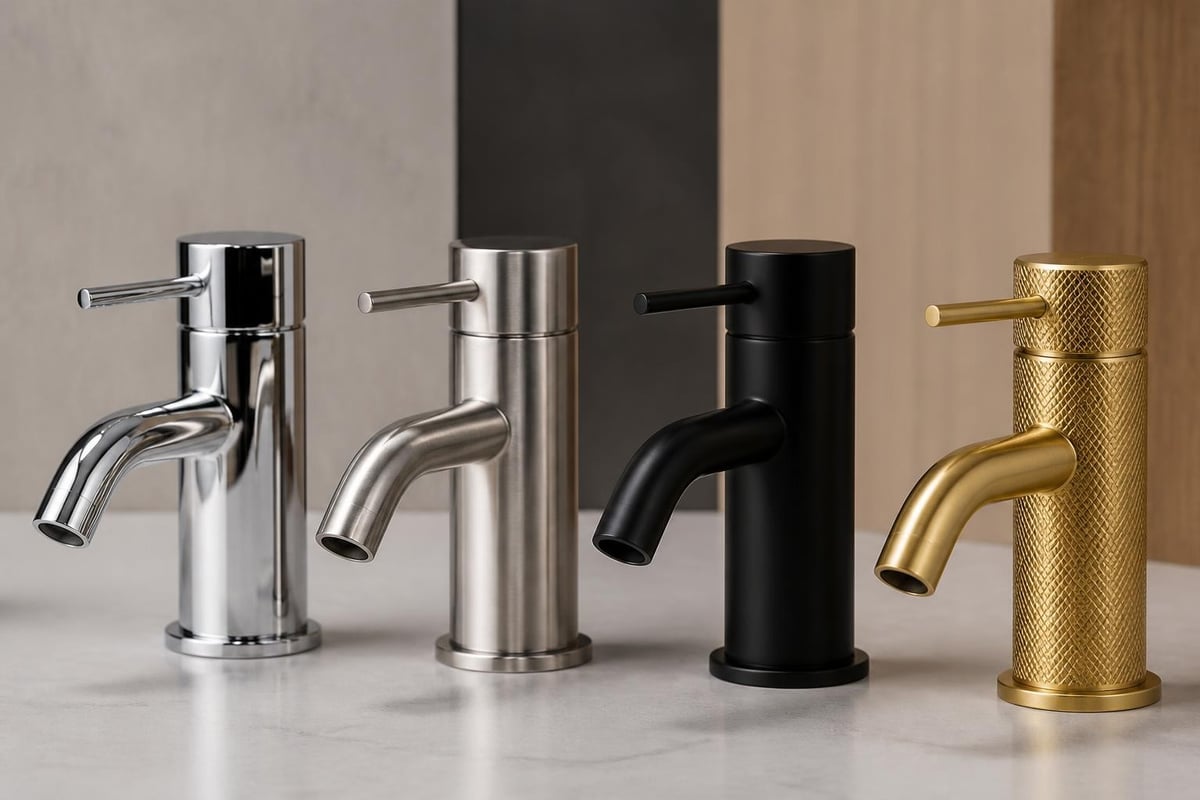
According to recent insights on kitchen hardware trends, personalization and texture dominate contemporary choices. Homeowners increasingly mix finishes within single kitchens, combining brushed nickel with matte black or aged brass for visual interest. This approach to mixed metal cabinet pulls creates depth and prevents monotony in larger kitchen spaces.
Popular handle styles for 2026 include:
- Slim bar pulls in extended lengths (300mm-600mm) for contemporary kitchens
- Cup pulls and bin pulls for traditional and transitional designs
- Leather-wrapped handles adding warmth and texture
- Integrated edge pulls milled directly into door and drawer fronts
- Knurled and textured finishes providing tactile interest
The shift in trending kitchen metals reveals polished chrome and brushed nickel gaining ground over warmer brass tones. However, design flexibility allows for combinations that suit individual preferences and existing finishes.
Specialty Hardware and Organizational Solutions
Beyond basic hinges and slides, advanced hardware for cabinets kitchen includes specialty components that enhance functionality. These solutions address specific storage challenges and accessibility requirements common in modern kitchens.
Lift systems enable upper cabinets to open upward rather than outward, particularly valuable in kitchens with limited clearance. Servo-drive electric systems allow touch-to-open operation, while gas strut mechanisms provide manual lift assistance. Both options create cleaner sightlines by eliminating protruding handles.
Corner cabinet solutions tackle one of kitchen design's persistent challenges. Lazy Susan mechanisms paired with specialized bi-fold hinges maximize corner accessibility. Alternative approaches include pull-out shelving systems and magic corner units that bring contents forward for easy access.
Pull-out and pull-down systems transform base and wall cabinets into highly organized storage zones:
- Spice rack pullouts with multiple tiers
- Waste bin systems with soft-close lids
- Cutlery dividers and utensil organizers
- Pantry pullouts with full-extension slides
- Appliance lift mechanisms for mixers and processors
The quality of these specialty systems directly impacts their longevity. Premium hardware for cabinets kitchen withstands thousands of operating cycles, while budget alternatives often fail within months when subjected to daily use. For professionals and serious DIY enthusiasts, investing in proven hardware brands ensures client satisfaction and reduces callback requirements.
Material Quality and Finish Durability
The materials and finishes applied to hardware for cabinets kitchen determine both aesthetic longevity and functional reliability. Understanding material properties helps match hardware selections to specific environmental conditions and usage patterns.
Stainless steel offers superior corrosion resistance, making it ideal for coastal installations or areas with high humidity. Marine-grade 316 stainless provides maximum durability, while 304 stainless delivers excellent performance in standard residential applications. The material's inherent strength supports heavier loads without deflection.
Zinc alloy die-castings provide the foundation for most decorative handles and knobs. Quality varies significantly based on alloy composition and manufacturing precision. Premium manufacturers specify zinc composition and employ multi-stage finishing processes that ensure durable surface coatings.
| Material | Strength | Corrosion Resistance | Cost Factor | Best Applications |
|---|---|---|---|---|
| Stainless Steel 304 | Excellent | Excellent | High | Coastal/high-use kitchens |
| Zinc Alloy | Good | Very Good (coated) | Moderate | Decorative hardware |
| Aluminum | Moderate | Excellent | Moderate | Profiles and frames |
| Brass | Good | Good (tarnishes) | High | Traditional designs |
| Engineered Polymer | Variable | Excellent | Low | Light-duty applications |
Finish durability depends on application method and coating thickness. Physical Vapor Deposition (PVD) represents the gold standard for finish durability, bonding metal coatings at molecular level. These finishes resist scratching, tarnishing, and chemical exposure far better than traditional plating or painting.
Installation Considerations and Best Practices
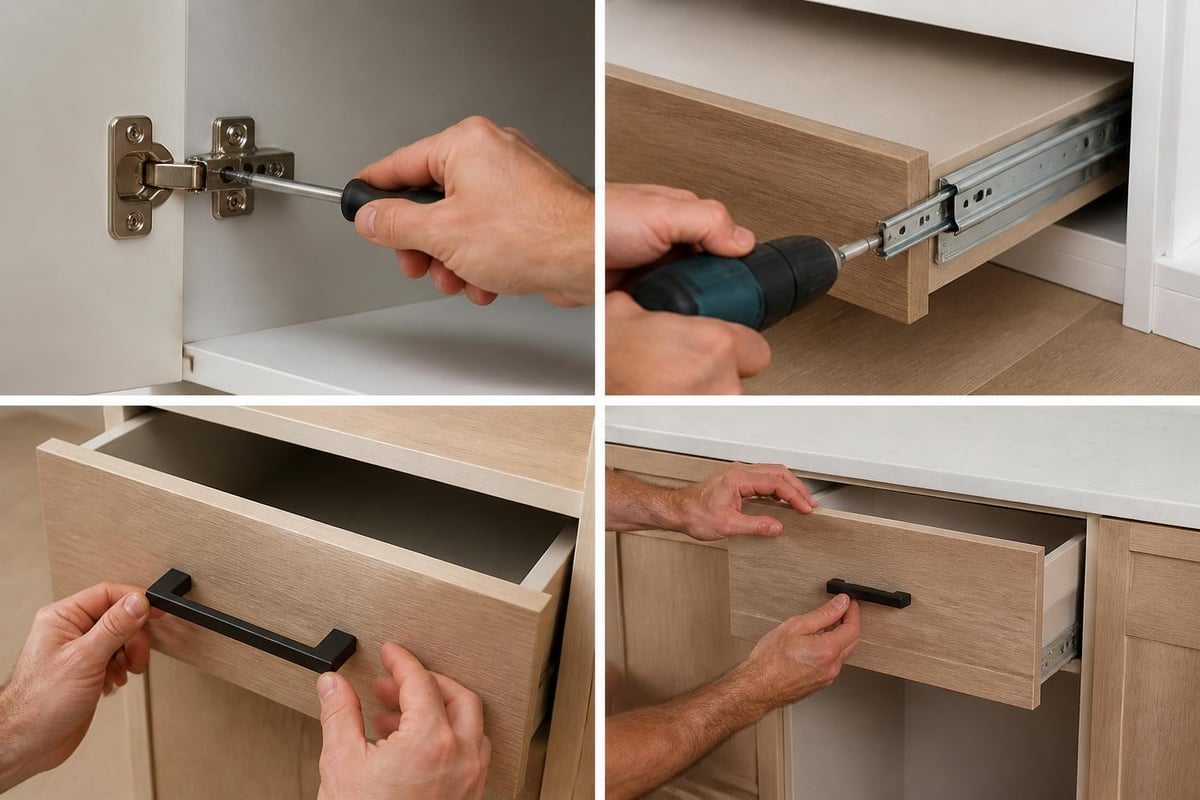
Proper installation of hardware for cabinets kitchen ensures optimal performance and longevity. Even premium components underperform when installed incorrectly, making technique and precision essential.
Using a cabinet hardware jig eliminates inconsistencies in handle placement. These tools ensure uniform spacing and alignment across multiple doors and drawers, creating the professional appearance that distinguishes quality installations. For kitchen renovations involving numerous cabinets, jigs save time while improving accuracy.
Installation best practices include:
- Verify cabinet construction matches hardware specifications before boring
- Use sharp drill bits appropriate for cabinet material to prevent tear-out
- Install hinges before hanging doors to allow proper adjustment
- Test drawer slide operation before attaching drawer fronts
- Adjust all hardware after complete installation for optimal alignment
- Apply thread-locking compound to handles in high-use areas
Understanding the comprehensive nature of professional cabinet installation reveals how hardware integration affects overall project success. Coordination between cabinet positioning, hardware installation, and final adjustments determines whether a kitchen functions seamlessly or requires ongoing tweaks.
Matching Hardware to Cabinet Styles
Successful hardware for cabinets kitchen selection requires alignment between hardware aesthetics and overall cabinet design. The relationship between door style, finish, and hardware creates visual harmony or discord depending on coordination quality.
Shaker-style cabinets pair beautifully with both traditional and contemporary hardware. Simple bar pulls in brushed nickel complement the clean lines, while cup pulls or knobs in oil-rubbed bronze emphasize traditional roots. The versatility of timeless cabinet choices means hardware selections can shift style direction while respecting the underlying cabinet architecture.
Contemporary flat-panel cabinets demand hardware with equally modern sensibilities. Integrated pulls milled into doors, slim profile handles, and handleless push-to-open systems align with minimalist design principles. When handles are included, they typically feature clean geometric forms in matte or polished finishes.
Traditional raised-panel cabinetry calls for more decorative hardware. Ornate backplates, detailed knob designs, and vintage-inspired finishes enhance the classical aesthetic. However, kitchen handle trends for 2026 suggest even traditional kitchens benefit from restraint, avoiding overly fussy hardware that dates quickly.
The comprehensive approach outlined in cabinetry planning guides emphasizes hardware decisions as integral to initial design rather than afterthoughts. This integrated planning ensures door styles, hinge specifications, and handle proportions work cohesively from the outset.
Budget Planning for Hardware Investment
Financial planning for hardware for cabinets kitchen requires understanding cost drivers and value propositions. Hardware budgets typically represent five to fifteen percent of total cabinet costs, with significant variation based on quality levels and specialty components.
Budget allocation considerations:
- Basic functional hardware (hinges, slides): 40-50% of hardware budget
- Decorative hardware (handles, knobs): 30-40% of hardware budget
- Specialty systems (organizers, lift mechanisms): 10-20% of hardware budget
- Installation tools and accessories: 5-10% of hardware budget
Premium hardware costs more initially but delivers superior value over time. A quality hinge costing three times more than a budget alternative may last ten times longer and operate more smoothly throughout its life. For kitchen renovations expected to serve 15-20 years, this represents genuine economy.
For professionals and serious DIY enthusiasts looking for quality solutions, JM Cabinet Solutions provides access to trusted international brands at competitive pricing. Their expertise helps clients navigate options and select hardware that balances budget constraints with performance requirements.
Phased purchasing allows budget-conscious renovators to install premium hardware progressively. Starting with high-quality hinges and drawer slides ensures fundamental functionality, while handles can be upgraded later if needed. However, this approach requires careful planning to ensure compatible boring and mounting specifications.
Maintenance and Long-Term Performance
Proper maintenance extends the life of hardware for cabinets kitchen and preserves smooth operation. While quality hardware requires minimal intervention, periodic attention prevents minor issues from becoming major problems.
Hinge maintenance involves checking mounting screws for tightness and verifying adjustment hasn't shifted over time. Soft-close dampers eventually wear and may require replacement after years of service. Most quality hinge systems allow damper replacement without removing the entire hinge.
Drawer slides benefit from occasional cleaning to remove dust and debris that accumulate in bearing tracks. Avoid lubricants unless specifically recommended by manufacturers, as many modern slides incorporate sealed bearing systems that don't require additional lubrication. Overloading drawers beyond rated capacity accelerates wear and should be avoided.
Handle and knob maintenance focuses on finish preservation. Clean with mild soap and water rather than harsh chemicals that can damage protective coatings. Tighten mounting screws annually in high-use areas to prevent loosening that causes handle wobble and accelerated wear on mounting holes.
The extensive selection available in kitchen hardware trends demonstrates industry commitment to developing solutions that balance aesthetic appeal with practical durability. Choosing hardware designed for longevity reduces maintenance requirements while ensuring consistent performance.
Environmental and Sustainability Considerations
Sustainability concerns increasingly influence hardware for cabinets kitchen selection. Environmentally conscious homeowners and professionals consider manufacturing processes, material sources, and product longevity when specifying hardware.
Quality hardware inherently supports sustainability through extended service life. A hinge lasting twenty years avoids the environmental impact of manufacturing and disposing of multiple replacement units. This durability advantage positions premium hardware as the more sustainable choice despite higher initial resource investment.
Material selection offers opportunities for reduced environmental impact:
- Recycled stainless steel content in slides and hinges
- Low-VOC finishing processes for handles and knobs
- Minimized packaging using recyclable materials
- Local manufacturing reducing transportation emissions
- Repairable designs allowing component replacement rather than full disposal
Manufacturers committed to sustainability typically document their environmental initiatives, providing transparency for specification decisions. While not yet universal, eco-certifications and environmental product declarations increasingly inform hardware selection for green building projects.
The shift toward kitchen hardware trends emphasizing texture and unique finishes sometimes conflicts with sustainability goals, as complex finishes require additional processing. Balancing aesthetic preferences with environmental responsibility requires thoughtful evaluation of priorities and trade-offs.
Working With Suppliers and Specialists
Successful hardware for cabinets kitchen projects benefit from relationships with knowledgeable suppliers. Specialist providers offer technical expertise, product training, and problem-solving support that general retailers cannot match.
When evaluating suppliers, consider inventory depth across product categories. Comprehensive stock allows mixing and matching components from various manufacturers to achieve optimal solutions. This flexibility proves particularly valuable when retrofitting existing cabinetry or matching discontinued hardware.
Technical support differentiates specialist suppliers from commodity vendors. Questions about load ratings, mounting specifications, and compatibility require staff with genuine product knowledge. The cabinet hardware selection guidance available from various sources emphasizes understanding specifications to ensure proper application.
For cabinet makers and installers in the Western Cape, establishing supplier relationships ensures consistent access to preferred hardware brands. Reliable availability prevents project delays when hardware quantities need adjustment or components require replacement during installation.
Selecting appropriate hardware for cabinets kitchen transforms functional requirements into opportunities for enhanced performance and aesthetic refinement. From hinges and slides to handles and specialty systems, each component contributes to the overall kitchen experience. Quality hardware investments deliver returns through smooth operation, extended service life, and sustained visual appeal. Whether planning a complete kitchen renovation or upgrading existing cabinetry, JM Cabinet Solutions provides the expertise, product selection, and technical support necessary to achieve exceptional results throughout the Helderberg and Western Cape region.


Comments
Post a Comment