Mixed Metal Cabinet Pulls: Design Guide for 2026
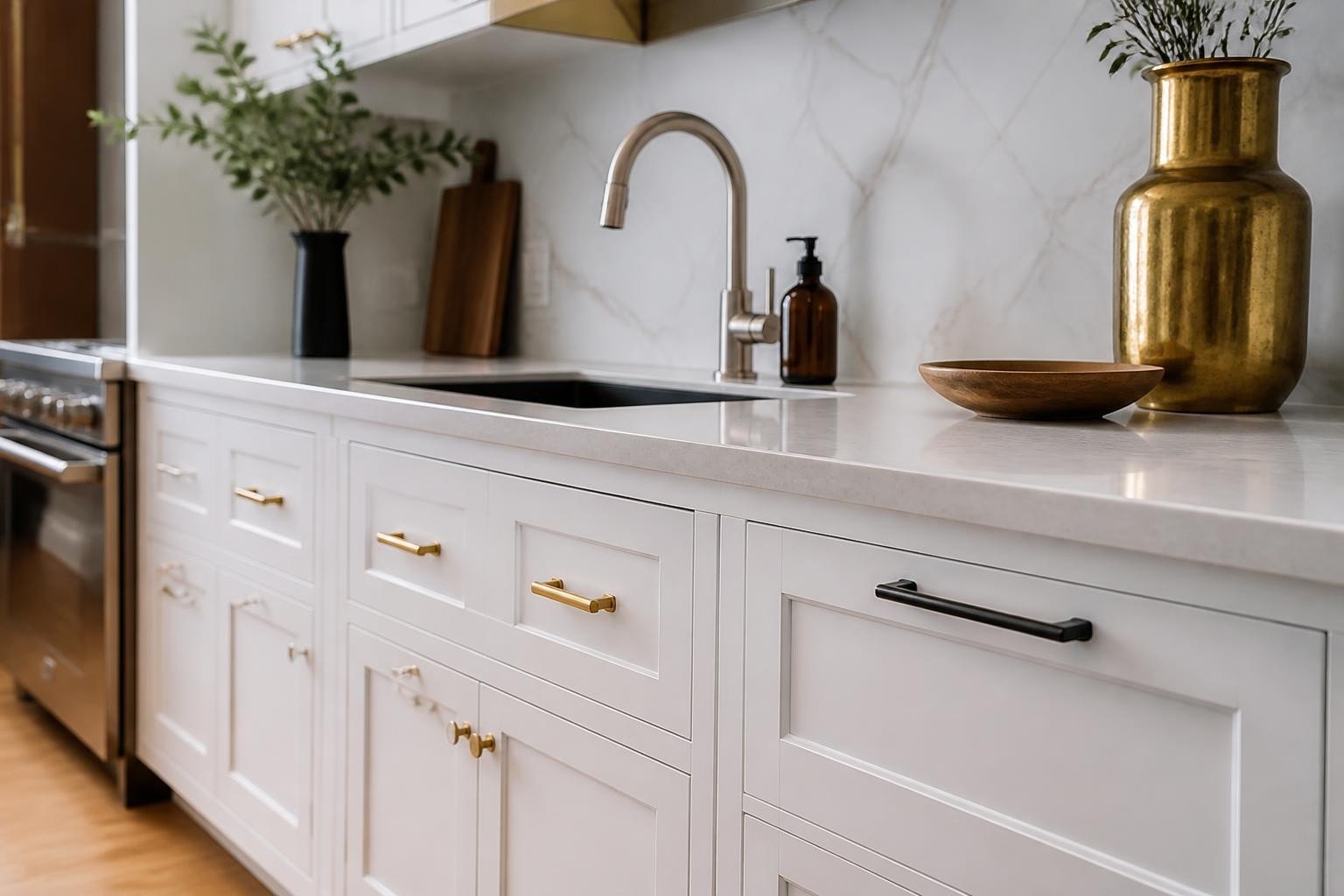
Mixing metal finishes in cabinet hardware has evolved from a design risk to a sophisticated statement that defines modern interiors. The era of matching every element in your kitchen or bathroom is over, replaced by a thoughtful approach that embraces contrast, texture, and personality. Mixed metal cabinet pulls create visual interest and depth, transforming ordinary cabinetry into a curated design feature that reflects your unique style while remaining timelessly elegant.
Understanding the Mixed Metal Movement
The shift toward combining different metal finishes represents more than just a passing trend. Interior designers and homeowners alike recognize that mixed metals are among the defining design trends shaping contemporary spaces in 2026. This approach allows for greater creativity and personalization in rooms where cabinet hardware plays a starring role.
The psychology behind this movement centers on breaking away from overly coordinated spaces that can feel sterile or showroom-like. Real homes accumulate character over time, and mixed metal cabinet pulls acknowledge this reality while maintaining intentional design choices. Rather than creating chaos, a well-executed mixed metal scheme demonstrates confidence and sophistication.
Why Choose Mixed Metal Cabinet Pulls
Incorporating multiple metal finishes offers several distinct advantages for homeowners and designers. Flexibility tops the list, as you're not locked into a single finish that must match every fixture, appliance, and accessory. This freedom proves particularly valuable during renovations or when updating spaces gradually.
Visual depth emerges naturally when combining metals with different tones and textures. A kitchen featuring both warm brass and cool stainless steel creates dimensional interest that single-finish hardware simply cannot achieve. The interplay between finishes draws the eye around the room, highlighting architectural features and creating focal points.
Longevity represents another practical benefit. Design preferences evolve, and mixed metal schemes adapt more gracefully to changing tastes. Adding or swapping a few pulls in a complementary finish refreshes the entire space without requiring a complete overhaul.
Essential Guidelines for Mixing Metals
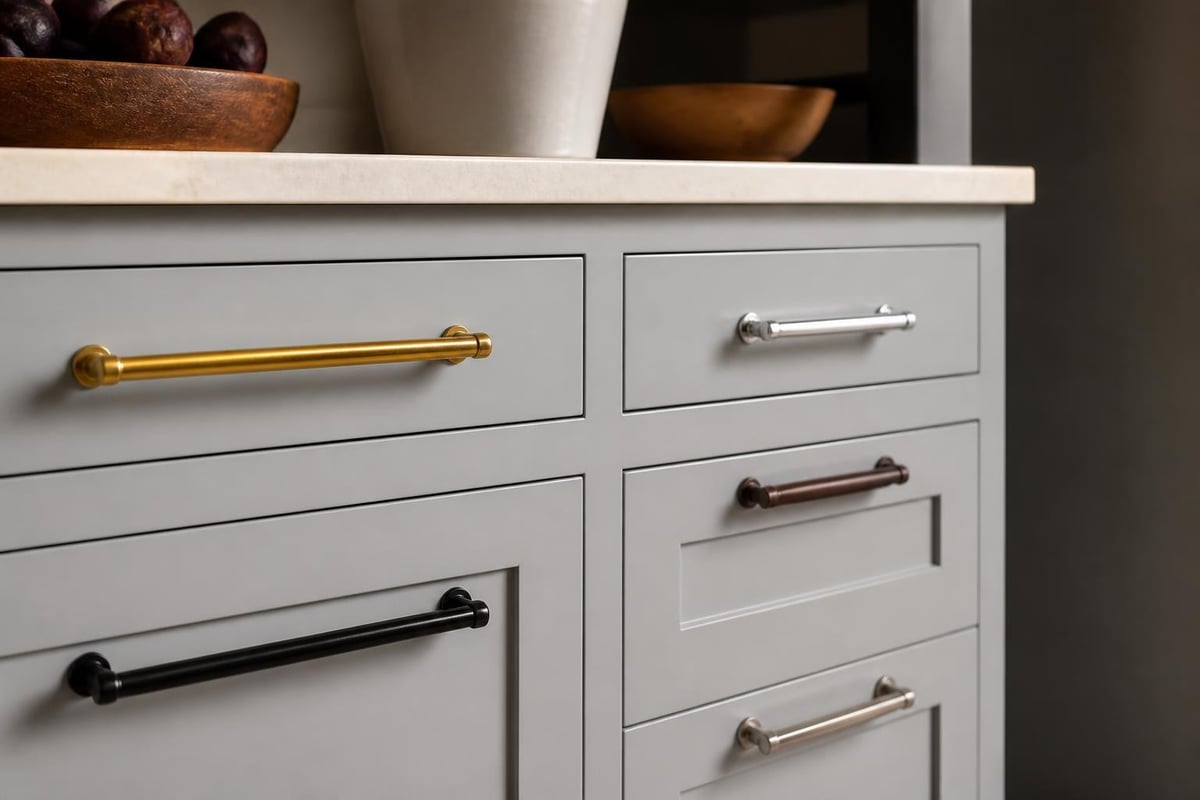
Success with mixed metal cabinet pulls requires understanding fundamental principles that guide professional designers. The dos and don'ts of mixed metal design provide a framework for making confident choices.
The Rule of Three
Limiting your metal selection to three finishes maximum prevents visual confusion and maintains cohesion. This constraint forces intentional decisions about which metals will dominate, accent, and provide subtle contrast. In a typical kitchen, you might feature brushed nickel as your primary finish (60%), brass as your secondary accent (30%), and matte black as a grounding element (10%).
These percentages aren't rigid rules but helpful guidelines. The key lies in creating clear hierarchy rather than equal distribution, which can appear indecisive. One finish should clearly lead while others support the overall composition.
Temperature Harmony
Metal finishes fall into warm or cool temperature categories, and understanding this distinction proves crucial. Warm metals include brass, copper, bronze, and gold tones. Cool metals encompass chrome, stainless steel, nickel, and pewter finishes. While mixing temperatures creates dynamic contrast, maintaining some temperature consistency within your palette ensures harmony.
A successful warm-cool combination might pair brushed brass pulls with polished nickel knobs, where the brushed texture bridges the temperature gap. Avoid combining highly polished warm and cool metals in equal proportions, as this creates jarring contrast rather than sophisticated tension.
Popular Mixed Metal Combinations
Certain metal pairings have proven their versatility across different design styles and cabinet finishes. These combinations offer starting points for homeowners seeking tried-and-tested approaches.
| Primary Finish | Secondary Finish | Best For | Design Style |
|---|---|---|---|
| Brushed Brass | Matte Black | Modern kitchens with white or dark cabinetry | Contemporary, Transitional |
| Polished Nickel | Oil-Rubbed Bronze | Traditional spaces with wood cabinets | Classic, Farmhouse |
| Chrome | Brass | Eclectic kitchens with mixed materials | Transitional, Industrial |
| Matte Black | Brushed Gold | Statement kitchens with bold color palettes | Modern, Luxe |
| Stainless Steel | Copper | Professional-style kitchens | Industrial, Modern Farmhouse |
Brass and Black: The Power Pairing
This combination dominates contemporary kitchen design for good reason. The warmth of brass softens the stark edge of matte black, while black provides grounding weight to brass's lighter presence. This pairing works exceptionally well in kitchens with white, navy, or natural wood cabinetry.

When selecting mixed metal cabinet pulls for your project, working with a specialist supplier ensures access to quality finishes that maintain their appearance over time. JM Cabinet Solutions stocks trusted international brands offering coordinated collections designed specifically for mixing and matching, making it easier to achieve professional results.
Nickel and Bronze: Classic Contrast
This traditional pairing suits homes with more conventional design sensibilities. The cool, silvery tones of nickel complement the warm, aged character of oil-rubbed bronze without creating excessive contrast. This combination particularly enhances wood cabinetry in medium to dark stains.
Strategic Placement Techniques
Where you position different metal finishes matters as much as which finishes you choose. Strategic placement creates intentional patterns that guide the eye and reinforce your design concept.
Zone-Based Distribution
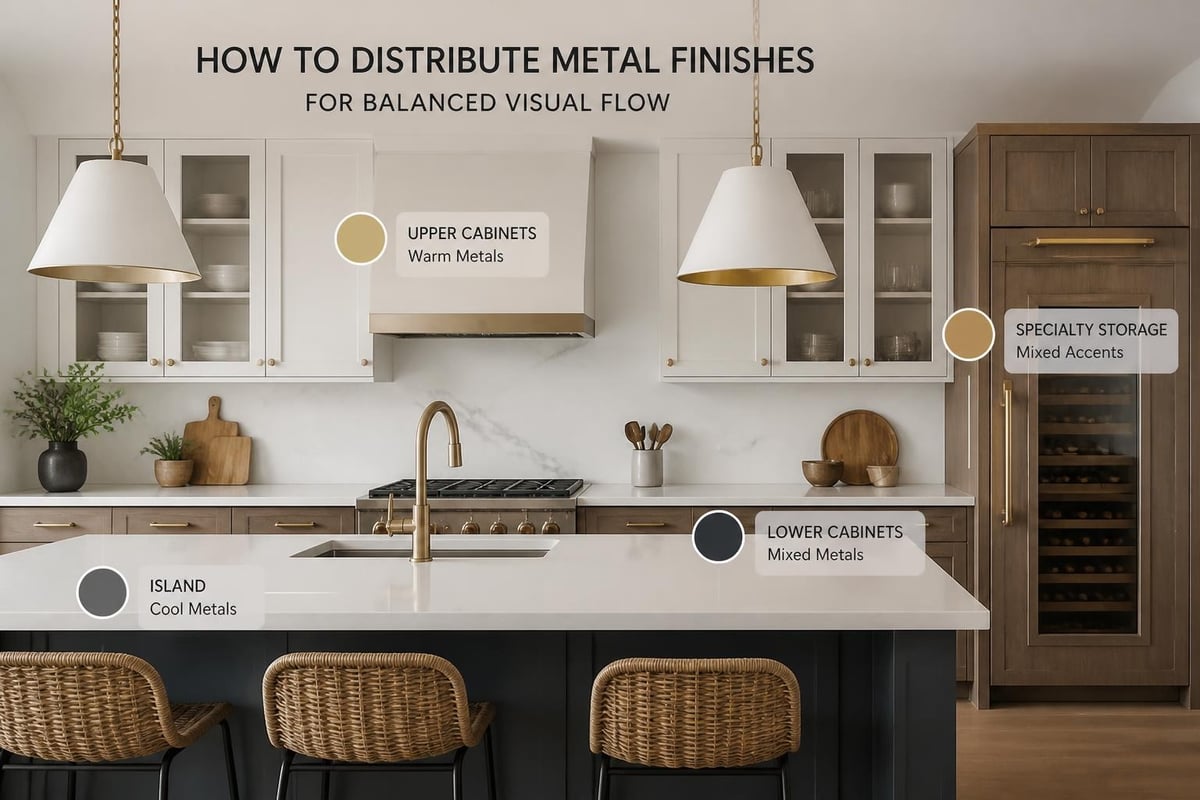
Dividing your kitchen into functional zones provides a logical framework for distributing mixed metal cabinet pulls. Upper cabinets might feature one finish while lower cabinets display another, with the island serving as a statement piece in a third finish. This approach works particularly well in larger kitchens where clear spatial divisions exist.
Perimeter cabinets typically receive the primary finish, establishing the dominant tone. The island becomes an opportunity for the secondary or accent finish, especially if the island features a different cabinet color or material. Specialty cabinets like pantries or built-in hutches can showcase the third finish sparingly.
Functional Differentiation
Another effective strategy assigns specific finishes to different hardware types. For example:
- Drawer pulls in brushed brass
- Cabinet knobs in matte black
- Bin pulls in polished nickel
This method creates consistency through function while introducing variety through finish. It also simplifies the selection process and makes reordering or replacing hardware more straightforward.
Symmetrical Anchoring
Creating symmetry with your accent finish provides visual stability. If you choose brass pulls for cabinets flanking your range, repeat brass on cabinets flanking your sink or refrigerator. This mirroring effect prevents the mixed metals from appearing random or haphazard.
Coordinating with Fixed Finishes
Your faucet, appliances, light fixtures, and other permanent metal elements influence which mixed metal cabinet pulls will work in your space. These fixed finishes form the foundation of your metal palette.
Working with Stainless Steel Appliances
Stainless steel appliances present both opportunity and constraint. Their cool, neutral tone pairs well with most metal finishes, but trying to match stainless exactly with cabinet hardware often disappoints. Current trends in kitchen cabinet materials embrace this reality by treating appliances as one element in a broader metal composition.
Instead of matching, complement your stainless appliances with warmer mixed metal cabinet pulls. Brass, bronze, or copper finishes create pleasing contrast while brushed nickel or chrome maintains tonal consistency if preferred. The key lies in viewing appliances as part of your overall metal count rather than a separate category.
Aligning with Faucets and Fixtures
Your faucet finish often serves as the natural starting point for selecting mixed metal cabinet pulls. If you've invested in a statement brass faucet, using brass as your primary or secondary cabinet finish reinforces this choice. Alternatively, the faucet might represent your accent metal, appearing sparingly throughout the space.
Expert designers like Shea McGee recommend treating plumbing fixtures as anchor points that guide but don't dictate your cabinet hardware selections. A chrome faucet doesn't prohibit brass pulls; it simply suggests balancing chrome elsewhere in the room.
Finish Options and Characteristics
Understanding the properties of different metal finishes helps you make durable, practical choices for mixed metal cabinet pulls. Each finish offers distinct visual and functional characteristics.
Polished vs. Brushed Surfaces
Polished finishes deliver high shine and reflective qualities that add glamour and light. However, they show fingerprints, water spots, and scratches more readily. Polished chrome, brass, and nickel suit formal spaces or areas with lower traffic.
Brushed finishes feature subtle linear patterns that diffuse light and hide daily wear. These practical options work well in busy kitchens where cabinet hardware receives frequent handling. Brushed finishes also bridge different metal tones more easily than highly polished surfaces.
Specialty Finish Considerations
| Finish Type | Durability | Maintenance | Best Use |
|---|---|---|---|
| Living Brass | Develops patina over time | Requires regular care or acceptance of aging | Traditional or farmhouse styles |
| Powder-Coated | Excellent chip resistance | Simple cleaning | Modern, high-use areas |
| PVD Coating | Superior scratch resistance | Minimal maintenance | Professional-grade installations |
| Oil-Rubbed Bronze | Natural aging enhances character | Occasional waxing | Classic, rustic designs |
Style-Specific Applications
Different design styles embrace mixed metal cabinet pulls in characteristic ways that honor their aesthetic principles.
Modern and Contemporary Spaces
Clean lines and minimalist sensibilities define modern interiors, where mixed metal cabinet pulls provide subtle variation without cluttering the visual field. Sleek bar pulls in contrasting finishes create strong horizontal lines that emphasize contemporary cabinet design.
Matte black combined with brushed brass or champagne bronze represents the quintessential modern pairing. These finishes complement popular modern cabinet colors including white, gray, navy, and natural wood tones. Kitchen hardware trends continue emphasizing this sophisticated contrast.
Transitional Design
Transitional spaces benefit most from mixed metal approaches because the style inherently blends traditional and contemporary elements. Here, you might combine classic polished nickel with trending matte black, or mix traditional bin pulls with modern edge pulls.
This flexibility allows homeowners to honor architectural details while incorporating current preferences. A transitional kitchen might feature polished nickel on perimeter cabinets with brass hardware on a contemporary-style island, creating dialogue between old and new.
Farmhouse and Rustic Aesthetics
These styles embrace warmth and patina, making mixed metal cabinet pulls in aged or antiqued finishes particularly appropriate. Oil-rubbed bronze pairs beautifully with copper or aged brass, while matte black provides grounding contrast against wood cabinets and open shelving.
The lived-in quality of these finishes suits the farmhouse emphasis on authenticity and comfort. Mixing cup pulls with knobs in complementary finishes adds functional variety that enhances the collected-over-time appearance central to this style.
Common Mistakes to Avoid
Even experienced designers encounter pitfalls when working with mixed metal cabinet pulls. Awareness of these common errors helps ensure successful outcomes.
Over-Mixing
Adding too many finishes creates chaos rather than interest. If you've selected three metals for your cabinet hardware, resist introducing additional finishes through accessories, fixtures, or decorative elements. Each new metal dilutes the impact of your intentional choices and fractures visual cohesion.
Inconsistent Undertones
Not all brass finishes match, nor do all nickel finishes appear identical. Manufacturers produce varied tones within the same general finish category. Champagne bronze differs significantly from antique brass, despite both being warm-toned metals. When selecting mixed metal cabinet pulls from different product lines or manufacturers, compare physical samples to ensure compatible undertones.
Random Distribution
Placing different finishes without pattern or purpose appears accidental rather than designed. Every metal change should serve a clear reason: defining zones, highlighting features, or creating rhythm. If you cannot articulate why a particular cabinet features a different finish, reconsider that choice.
Ignoring Scale and Proportion
Mixing not only finishes but also hardware styles and sizes requires careful balancing. A delicate brass knob may appear lost next to a chunky matte black pull. Ensure your different mixed metal cabinet pulls share similar visual weight or create intentional contrast in both finish and scale simultaneously.
Practical Installation Considerations
Beyond aesthetics, technical factors influence successful mixed metal cabinet pull installations. These practical elements ensure long-term satisfaction with your design choices.
Consistency in Mounting Dimensions
When mixing pulls and knobs in different finishes, maintaining consistent hole spacing and mounting patterns simplifies installation and potential future changes. Standard 96mm or 128mm centers for pulls allow interchangeability between finishes without redrilling cabinet faces.
Quality and Durability Standards
Mixed metal cabinet pulls should meet similar quality benchmarks regardless of finish. Mixing a premium brass pull with a budget chrome knob creates inconsistency not only in appearance but in longevity and function. Stick with reputable brands that deliver reliable performance across their finish offerings.
- Solid brass or zinc alloy construction
- Corrosion-resistant coatings
- Secure mounting hardware included
- Finish warranties indicating quality standards
Template Use for Precise Placement
Installing mixed finishes requires extra attention to alignment and spacing. Small variations in placement become more noticeable when different finishes draw attention to individual pieces of hardware. Using drilling templates ensures consistent positioning across all cabinets regardless of finish.
Maintaining Your Mixed Metal Hardware
Proper care preserves the beauty of your mixed metal cabinet pulls and protects your investment. Different finishes require specific maintenance approaches.
Daily Cleaning Best Practices
Soft, damp cloths handle most routine cleaning for all metal finishes. Avoid abrasive cleaners, rough sponges, or acidic solutions that damage protective coatings. For busy kitchens, wiping pulls after cooking prevents grease buildup that dulls finishes over time.
Finish-Specific Care
Certain metals demand particular attention:
- Brass and copper: May require periodic polishing if you prefer bright luster, or acceptance of natural patina development
- Oil-rubbed bronze: Benefits from occasional application of furniture wax to enhance depth
- Matte black: Shows dust and requires frequent wiping but resists water spots
- Chrome and nickel: Generally low-maintenance but prone to water spotting in humid environments
Long-Term Protection
Applying clear paste wax to mixed metal cabinet pulls (except chrome and stainless steel) creates a protective barrier against moisture and handling. This simple step extends finish life and makes routine cleaning easier. Reapply wax every few months in high-use areas.
Budget Considerations
Creating a sophisticated mixed metal scheme doesn't require unlimited resources. Strategic planning helps achieve impressive results within various budget constraints.
Prioritizing Premium Pieces
Concentrate your budget on the most visible or frequently handled mixed metal cabinet pulls. Island hardware, for example, receives more attention than upper cabinet knobs. Investing in quality finishes where they matter most while economizing on less prominent pieces creates overall impact without excessive cost.
Coordinated Collections
Many manufacturers offer collections designed for mixing, ensuring compatible finishes at accessible price points. Exploring these coordinated ranges streamlines selection and often provides better value than assembling mismatched individual pieces from various sources.
Installation Savings
DIY installation of cabinet pulls presents a straightforward opportunity to reduce project costs. With proper templates and basic tools, homeowners can achieve professional results. The time invested in careful installation ensures your mixed metal cabinet pulls perform and appear their best for years.
Successfully mixing metal finishes in your cabinet hardware creates sophisticated, personalized spaces that reflect current design sensibilities while maintaining timeless appeal. By following fundamental principles of balance, intentionality, and quality, you can transform ordinary cabinetry into a curated design statement. Whether you're updating a single room or outfitting an entire home, JM Cabinet Solutions provides the quality hardware, trusted brands, and practical expertise to help homeowners and professionals throughout the Western Cape achieve exceptional results with mixed metal cabinet pulls.


Comments
Post a Comment