Lazy Susan Door Hinge: Installation and Selection Guide
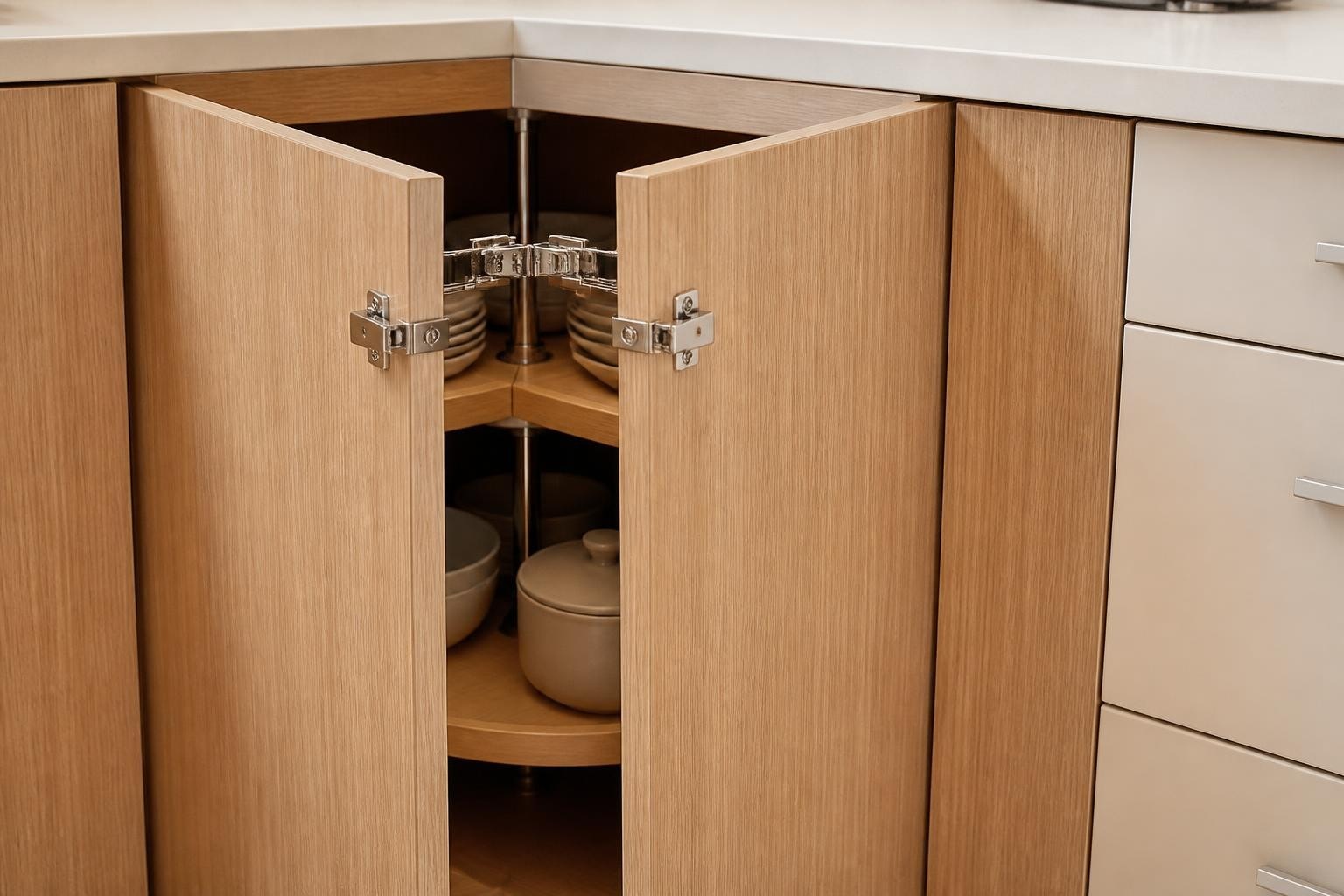
Corner cabinets present unique storage challenges in kitchen and bathroom design. The lazy susan door hinge solves accessibility issues by enabling smooth bi-fold door operation that maximizes space utilization. This specialized hardware connects two doors mounted on a rotating shelf system, allowing both panels to swing open simultaneously while maintaining proper clearance. Understanding the mechanics, types, and installation requirements of these hinges helps DIY homeowners and professional installers achieve optimal cabinet functionality and longevity.
Understanding Lazy Susan Door Hinge Mechanics
The lazy susan door hinge functions differently from standard cabinet hinges due to its dual-door coordination requirement. When one door opens, the connected door must swing in harmony to avoid collisions with cabinet frames or adjacent surfaces.
This hardware typically consists of two main components: the mounting plates that attach to each door panel and the connecting mechanism that joins them together. The system operates on specific angular measurements that determine door swing radius and opening width.
Key mechanical features include:
- Synchronized door movement preventing binding
- Pre-set angle configurations matching cabinet geometry
- Adjustable mounting plates for alignment correction
- Durable pivot points handling repeated rotation cycles
- Cam mechanisms ensuring consistent swing patterns
The hinge design must accommodate the circular motion of the lazy susan platform beneath while the doors follow their own arc. This complex interaction requires precise engineering to prevent interference between moving components.
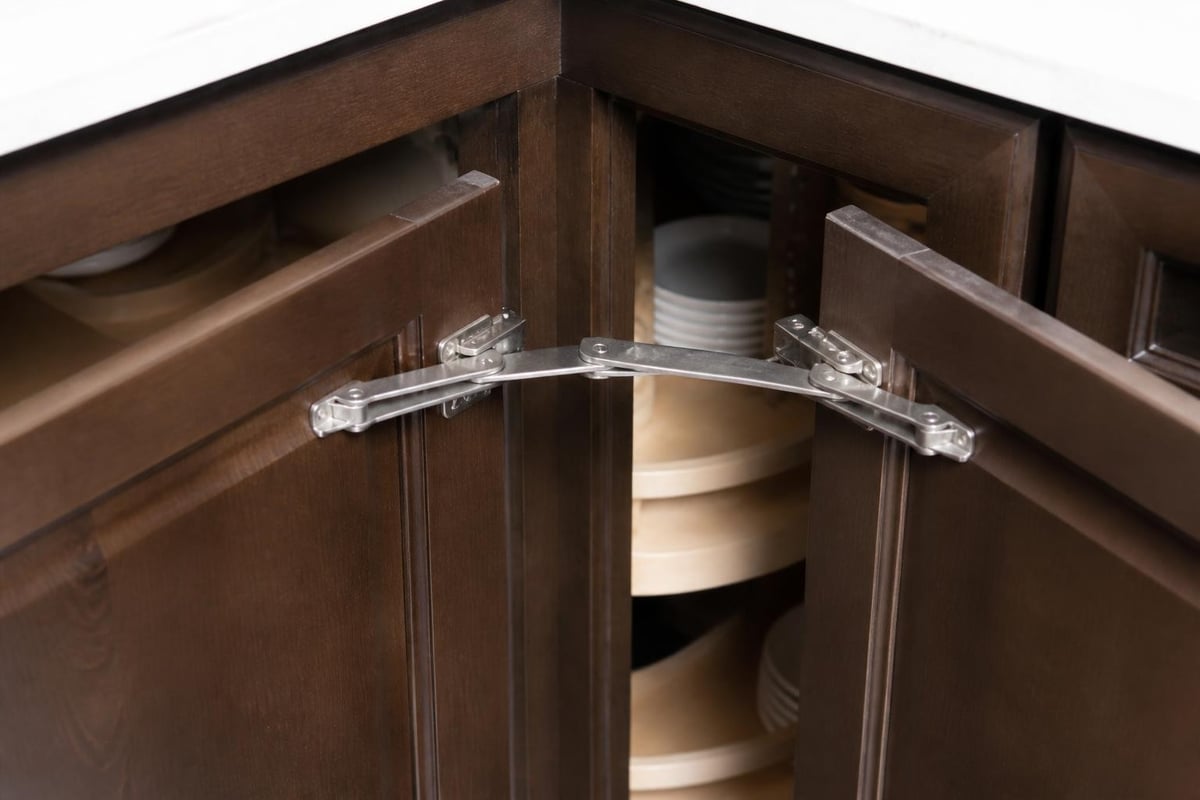
Hinge Angle Specifications
The most critical specification for any lazy susan door hinge is its angle measurement. This determines how far each door can open and the total access width to the cabinet interior.
Standard angle options:
| Hinge Angle | Door Swing | Best Application | Access Level |
|---|---|---|---|
| 135° | Moderate | Tight spaces, limited clearance | Partial |
| 165° | Wide | Standard installations | Full |
| 170° | Maximum | Professional-grade systems | Complete |
The 135° and 165° lazy susan cabinet hinges represent the most common configurations available in the market. A 135-degree hinge provides adequate access for basic retrieval tasks but limits visibility into rear storage areas. The 165-degree option delivers substantially better accessibility, making it the preferred choice for most residential installations.
Professional installers often specify 170-degree hinges for high-end projects where complete cabinet access justifies the additional hardware cost. This angle provides nearly full opening capability, particularly valuable in deep corner cabinets where reaching back items proves challenging.
Types of Lazy Susan Hinges
Different lazy susan configurations require specific hinge designs. Selecting the appropriate type ensures proper door operation and prevents costly reinstallation.
Pie Cut Hinges
Pie cut hinges serve as the standard connector between lazy susan doors. The pie cut hinge design features a distinctive wedge shape that compensates for the angular relationship between doors meeting at a corner.
These hinges mount flush against door edges, creating an invisible connection from the exterior view. The pie cut shape allows doors to fold neatly without gaps or misalignment issues.
- Specifically designed for 90-degree corner applications
- Available in various finish options matching cabinet aesthetics
- Requires precise door edge preparation for flush mounting
- Compatible with both framed and frameless cabinet construction
Hidden Hinge Systems
Hidden lazy susan hinges conceal all hardware components when doors are closed, providing clean sightlines and modern aesthetics. These systems mount inside the cabinet structure rather than on visible door surfaces.
The installation complexity increases with hidden systems, but the visual results appeal to homeowners seeking minimalist kitchen designs. European-style hinges dominate this category, offering three-dimensional adjustment capabilities.
Bifold Connector Hinges
Bifold connector hinges specifically join the two doors in a lazy susan assembly. Unlike standard hinges that mount doors to cabinet boxes, these connectors create the door-to-door relationship essential for synchronized movement.
Installation considerations:
- Measure exact door thickness before ordering
- Verify hinge arm length matches door width
- Confirm mounting plate compatibility with door material
- Check weight capacity against door construction
- Select finish matching existing cabinet hardware
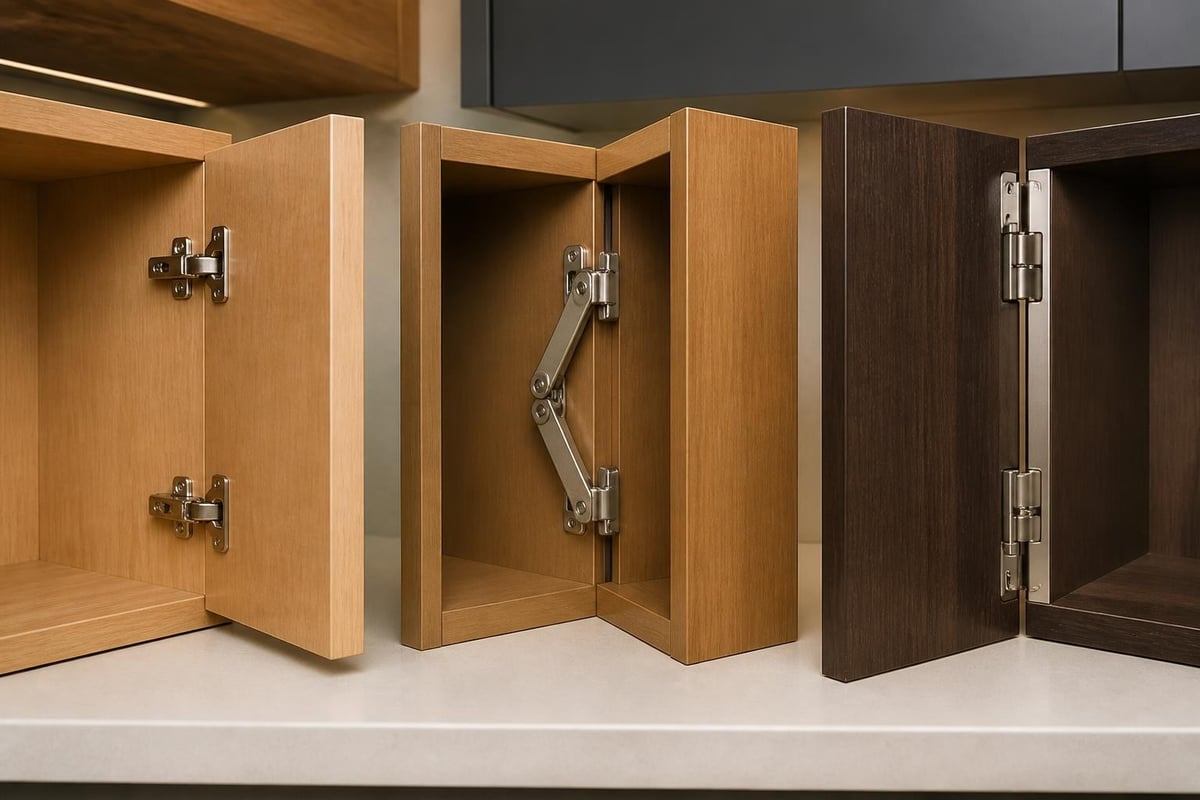
Installation Process and Requirements
Installing a lazy susan door hinge demands careful planning and precision measurement. The process differs significantly from standard hinge installation due to the coordinated door movement requirements.
Pre-Installation Preparation
Before beginning installation, gather accurate measurements of your cabinet opening, door dimensions, and the lazy susan platform diameter. These specifications determine appropriate hinge selection and mounting positions.
Proper lazy susan installation begins with verifying the cabinet structure can support the hardware weight and operational stresses. Reinforcement may be necessary for older cabinets or particle board construction.
Required tools and materials:
- Drill with appropriate bits for pilot holes
- Screwdriver or drill driver with correct tips
- Measuring tape and combination square
- Pencil for marking mounting positions
- Level to ensure proper door alignment
- Clamps for holding doors during installation
Step-by-Step Mounting Process
The mounting sequence affects final operation quality. Following proper procedures prevents common installation errors that compromise door function.
- Position the lazy susan platform inside the cabinet and secure it according to manufacturer specifications
- Attach mounting plates to the back of each door panel at measured locations
- Connect the pie cut hinge between the two doors, ensuring proper orientation
- Mount doors to the cabinet frame using appropriate hinges for your cabinet style
- Test rotation of the lazy susan while opening doors to check for interference
- Make adjustments using the three-dimensional adjustment screws on modern hinges
- Verify smooth operation through multiple open-close cycles under load conditions
The adjustment phase proves critical for optimal performance. Most quality lazy susan door hinges include adjustment screws controlling height, depth, and lateral positioning. Small incremental changes often solve binding or misalignment issues without requiring complete reinstallation.
Selecting the Right Hardware for Your Application
Choosing appropriate lazy susan door hinges requires matching hardware capabilities to specific cabinet requirements and usage patterns. The wrong selection leads to operational problems and shortened hardware lifespan.
Material and Finish Considerations
Hinge construction materials directly impact durability and maintenance requirements. Steel hinges offer maximum strength for heavy solid wood doors, while zinc alloy alternatives provide adequate performance at lower price points.
| Material | Durability | Weight Capacity | Corrosion Resistance | Price Range |
|---|---|---|---|---|
| Stainless Steel | Excellent | High | Superior | Premium |
| Steel (Plated) | Very Good | High | Good | Moderate |
| Zinc Alloy | Good | Moderate | Fair | Budget |
| Brass | Good | Moderate | Excellent | Premium |
Finish selection affects both aesthetics and longevity. Nickel-plated finishes resist tarnishing in humid kitchen environments, while oil-rubbed bronze complements traditional cabinet styles. Powder-coated options provide durable color matching for contemporary designs.
Weight and Door Size Matching
Every lazy susan door hinge carries a maximum weight rating based on its construction and mounting method. Exceeding these limits causes premature wear, sagging doors, and eventual hardware failure.
Solid wood doors with raised panels weigh considerably more than flat-panel veneer alternatives. Calculate total door weight before selecting hinges, adding a safety margin of at least 20% to the manufacturer's stated capacity.
For cabinet installations in the Helderberg and Western Cape region, JM Cabinet Solutions stocks quality lazy susan hinges from trusted international brands, providing expert guidance on matching hardware specifications to your specific project requirements.
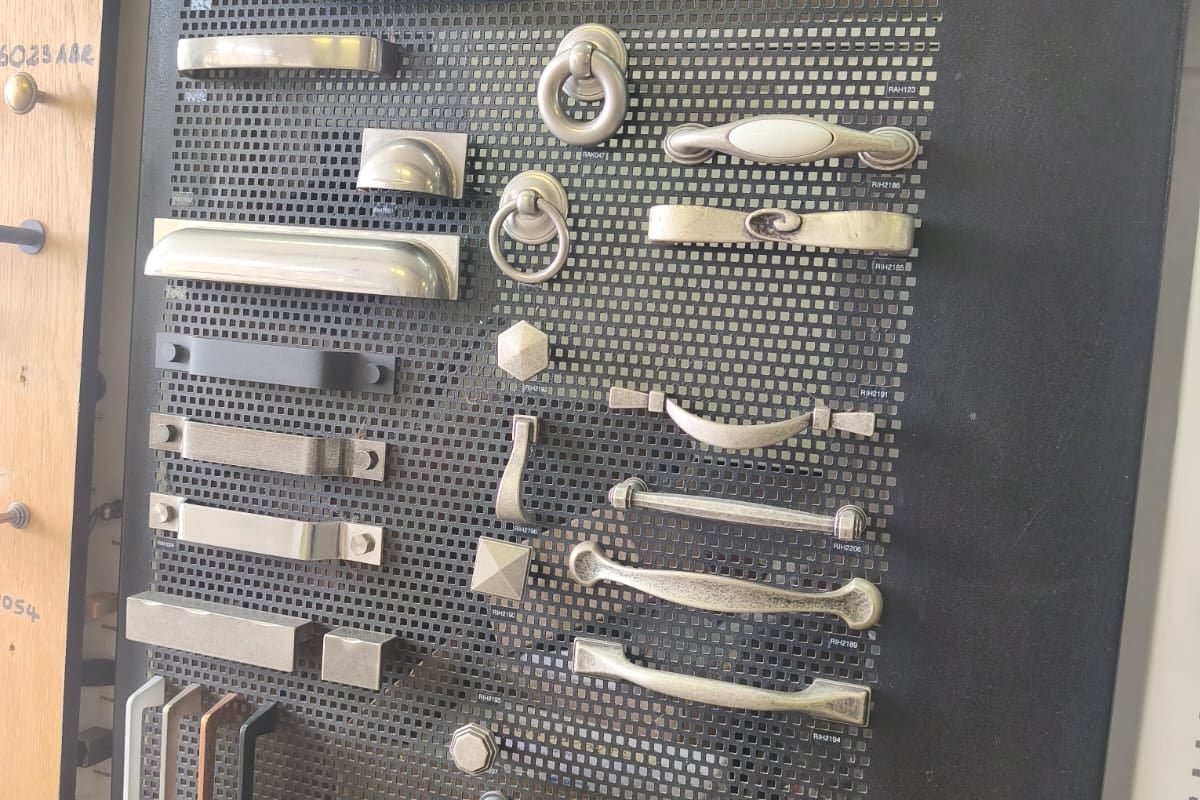
Brand and Quality Standards
Professional-grade lazy susan door hinges demonstrate superior engineering through tighter manufacturing tolerances, better materials, and comprehensive testing protocols. These differences manifest in smoother operation, longer service life, and more precise adjustment capabilities.
Leading manufacturers provide detailed technical specifications and installation guidelines for their products. Review these documents before purchasing to ensure compatibility with your cabinet construction method and door style.
Quality indicators include:
- Self-closing mechanisms with adjustable tension
- Tool-free adjustment features for easier installation
- Lifetime warranty coverage on mechanical components
- Comprehensive installation templates and instructions
- Corrosion-resistant coatings tested to industry standards
Troubleshooting Common Installation Issues
Even experienced installers encounter challenges when working with lazy susan door hinges. Understanding common problems and their solutions prevents delays and ensures professional results.
Door Binding and Interference
Binding occurs when doors contact each other, the cabinet frame, or the lazy susan platform during operation. This issue typically stems from incorrect hinge angle selection or improper mounting position.
Check that hinge angles match your cabinet's corner configuration. A 90-degree corner cabinet requires hinges designed specifically for that geometry. Additionally, verify that mounting plate positions align with manufacturer templates.
- Adjust lateral positioning to increase door-to-door clearance
- Reduce depth settings if doors contact the cabinet back
- Modify height alignment to prevent platform interference
- Verify lazy susan platform is level and centered
Sagging Door Syndrome
Doors that droop at the outer edge indicate insufficient hinge support for the door weight. This problem worsens over time as repeated opening cycles stress the hardware.
Solutions include upgrading to higher weight capacity hinges or adding a third hinge point for extra-large doors. Some installers reinforce door structures with internal bracing to distribute weight more effectively across mounting points.
Alignment Drift Over Time
New installations sometimes experience alignment changes during the first weeks of use as components settle and screws seat fully. Visual installation guides demonstrate proper tightening sequences that minimize this issue.
Perform a follow-up adjustment after two weeks of regular use. Tighten all mounting screws to specification and make minor corrections to restore optimal door positioning.
Maintenance and Long-Term Care
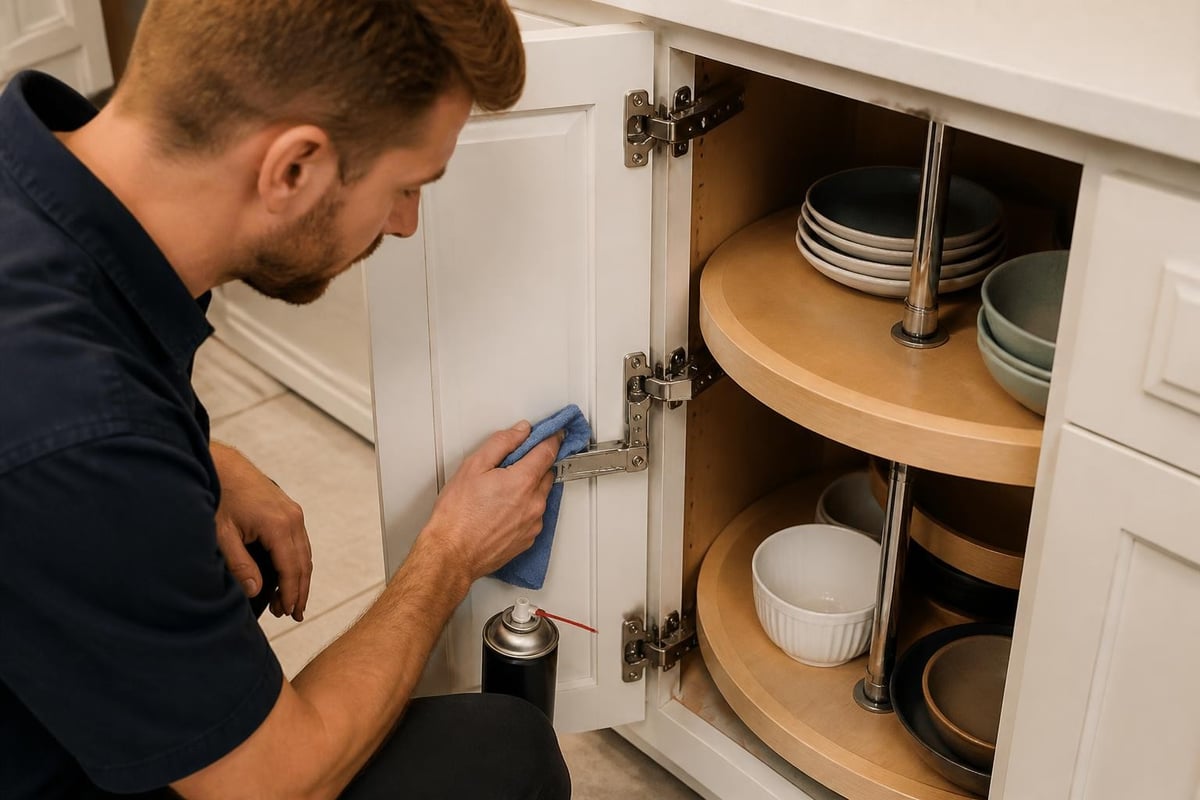
Proper maintenance extends lazy susan door hinge service life and preserves smooth operation. Regular attention to these components prevents expensive repairs or premature replacement.
Cleaning and Lubrication Schedule
Cabinet hinges accumulate dust, cooking oils, and humidity-related residue over time. These contaminants increase friction and accelerate wear on moving components.
Recommended maintenance intervals:
- Monthly: Wipe hinge surfaces with a soft cloth to remove surface debris
- Quarterly: Apply silicone-based lubricant to pivot points and adjustment screws
- Annually: Remove doors for thorough hinge inspection and deep cleaning
- As needed: Tighten mounting screws that loosen from repeated use
Avoid petroleum-based lubricants that attract dust and create sticky residue. Food-safe silicone spray provides optimal lubrication without contamination concerns in kitchen environments.
Adjustment Frequency
Modern lazy susan door hinges feature adjustment screws that compensate for settling and wear. Periodic minor adjustments maintain proper door alignment and prevent operational problems.
Most installations benefit from seasonal adjustments, particularly in regions experiencing significant humidity fluctuations. Wood door expansion and contraction affects hinge alignment, requiring periodic corrections.
Professional vs. DIY Installation Considerations
Deciding between professional installation and DIY approach depends on several factors including experience level, tool availability, and project complexity. Both paths offer advantages when properly executed.
Skill Requirements Assessment
Installing lazy susan door hinges requires intermediate carpentry skills and comfort working with precision measurements. The task involves drill operation, reading technical specifications, and understanding three-dimensional spatial relationships.
DIY homeowners with previous cabinet hardware installation experience typically handle these projects successfully. First-time installers should practice on scrap materials before working on finished cabinetry.
Skills needed for successful installation:
- Accurate measurement and layout marking
- Proper drilling technique for clean pilot holes
- Understanding hinge adjustment mechanisms
- Ability to troubleshoot alignment issues
- Patience for iterative adjustment processes
Time Investment and Tools
A complete lazy susan door hinge installation typically requires three to five hours for experienced DIYers. This includes measurement, hardware mounting, initial adjustment, and fine-tuning for optimal operation.
Professional installers complete the same work in one to two hours due to specialized tools and extensive experience. The time difference often justifies professional hiring for multiple cabinet installations or time-sensitive kitchen renovations.
Investment in quality tools pays dividends across multiple projects. A comprehensive drill bit set, reliable cordless drill, and precision measuring tools enable accurate work on various cabinet hardware installations beyond just lazy susan hinges.
When to Call Professionals
Complex installations involving custom cabinetry, unusual corner angles, or premium hardware systems often benefit from professional expertise. Installers familiar with specific brand requirements prevent costly mistakes that void warranties or damage expensive components.
Consider professional help when encountering structural issues like inadequate cabinet reinforcement, damaged mounting surfaces, or non-standard cabinet dimensions. These situations require solutions beyond basic installation procedures.
Additional resources including hinge selection FAQs and detailed hardware guides provide valuable information for making informed decisions about installation approach and hardware selection.
Upgrading Existing Lazy Susan Systems
Older lazy susan installations often feature outdated hinge designs that limit accessibility and reliability. Upgrading to modern hardware improves cabinet functionality without complete replacement costs.
Compatibility Assessment
Before purchasing replacement hinges, verify existing mounting hole patterns and door preparation. Some older systems use proprietary designs incompatible with current standard hardware.
Measure existing hinge spacing, mounting plate dimensions, and door thickness. Compare these specifications against modern hinge requirements to identify compatible upgrade options.
Upgrade considerations include:
- Matching or improving current weight capacity
- Selecting finish options coordinating with existing hardware
- Choosing adjustment features absent in original installation
- Verifying compatibility with lazy susan platform type
- Planning for potential door modification requirements
Installation Process Modifications
Upgrading existing systems sometimes requires filling old mounting holes and drilling new positions. Use wood filler matching door material for invisible repairs on visible surfaces.
Template-guided drilling ensures accurate new hole placement. Most quality hinge manufacturers provide drilling templates that prevent measurement errors during installation.
Test fit new hardware before final installation to confirm proper operation. This verification step identifies potential issues while corrections remain simple.
Performance Improvements
Modern lazy susan door hinges deliver noticeable performance advantages over hardware manufactured even five years ago. Soft-close mechanisms reduce noise and prevent door slamming that damages cabinet structures.
Improved adjustment ranges simplify alignment corrections during seasonal climate changes. Three-dimensional adjustment capabilities allow precise tuning that older two-dimensional systems cannot achieve.
Enhanced durability from better materials and manufacturing processes extends replacement intervals, reducing long-term maintenance costs and cabinet downtime.
Selecting and installing the right lazy susan door hinge transforms corner cabinet functionality, providing smooth operation and reliable access to storage spaces. Understanding hinge angles, types, and proper installation techniques ensures professional results whether tackling DIY projects or professional installations. JM Cabinet Solutions provides quality lazy susan hinges and expert guidance to DIY homeowners, cabinet makers, and installers throughout the Western Cape, helping you achieve optimal cabinet performance with hardware solutions backed by trusted international brands.


Comments
Post a Comment