Best Cabinet Hardware Jig: Complete Guide for 2026
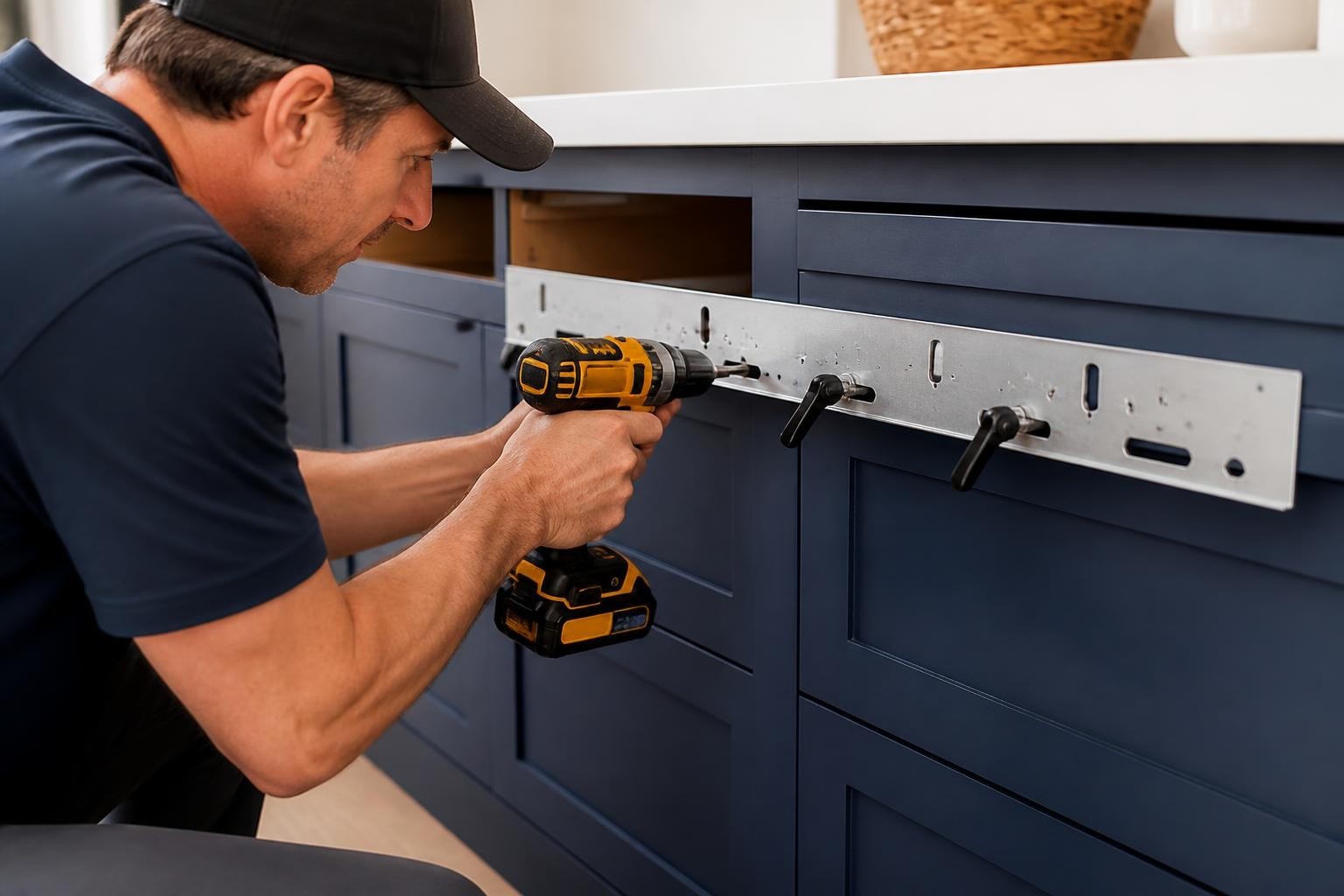
Installing cabinet hardware shouldn't require a degree in precision engineering, yet many DIY enthusiasts and even experienced installers struggle with consistent placement. The best cabinet hardware jig transforms this challenging task into a straightforward process, eliminating measurement errors and ensuring professional results across every door and drawer. Whether you're updating a single kitchen or outfitting an entire home, understanding which jig suits your needs can save hours of frustration and deliver the flawless finish your project deserves.
Understanding Cabinet Hardware Jigs and Their Purpose
A cabinet hardware jig is a specialized tool designed to ensure accurate, consistent placement of knobs, pulls, and handles across all cabinet surfaces. These devices eliminate the guesswork inherent in measuring and marking each drilling location individually.
Why Precision Matters in Hardware Installation
Cabinet hardware installation demands millimeter-level accuracy. When knobs or pulls sit even slightly off-center or vary in position from door to door, the inconsistency becomes immediately visible and detracts from the overall aesthetic. Professional installers know that hardware placement can make or break a kitchen's visual appeal.
The consequences of poor hardware placement include:
- Misaligned pulls that draw the eye to installation errors
- Inconsistent spacing that creates a cluttered, unprofessional appearance
- Difficulty opening drawers when handles sit too close to adjacent surfaces
- Reduced resale value due to visible installation flaws
Using a reliable jig addresses these concerns by providing a repeatable reference system. The tool positions itself against cabinet edges and corners, creating identical placement points across unlimited installations.
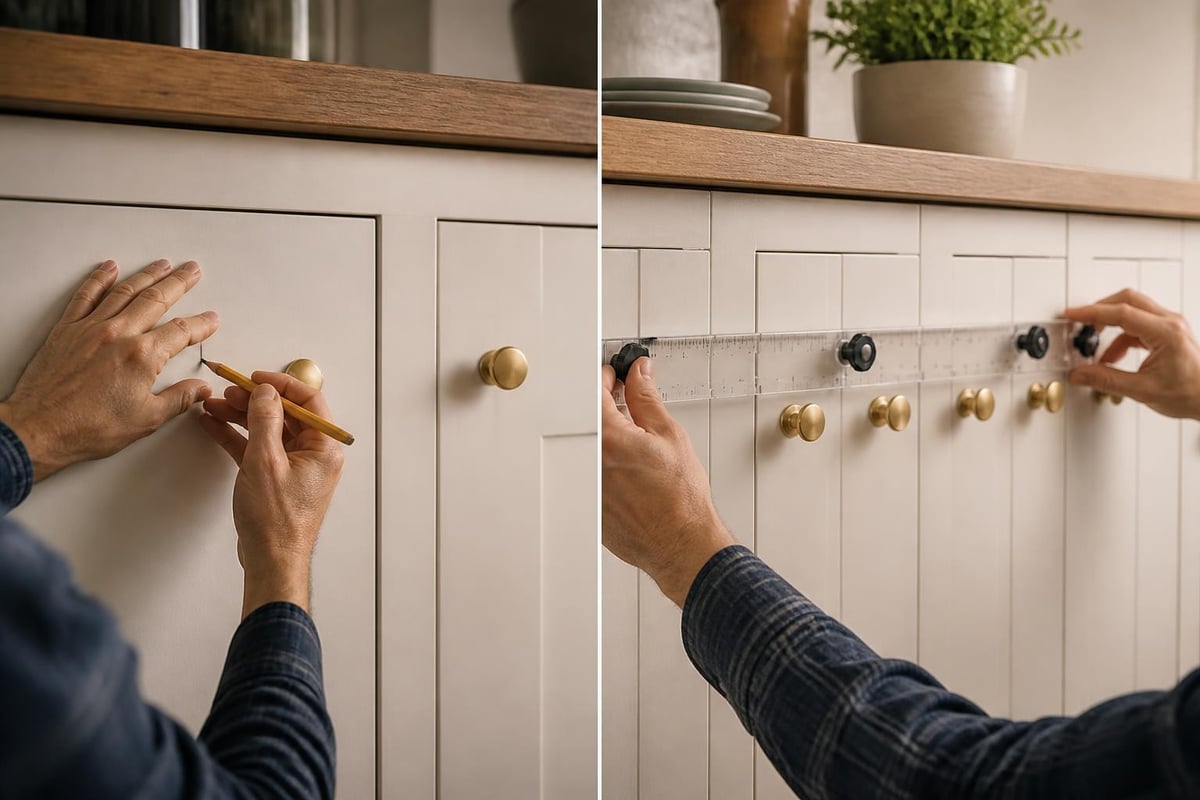
Key Features of the Best Cabinet Hardware Jig
When evaluating options, certain characteristics separate adequate tools from exceptional ones. Understanding these features helps you make an informed purchase decision.
Material Construction and Durability
Premium jigs use high-quality plastics or aluminum alloys that withstand repeated use without warping or cracking. The material must maintain its dimensional accuracy even after hundreds of installations.
| Material Type | Durability | Weight | Price Range |
|---|---|---|---|
| ABS Plastic | Good | Lightweight | $15-$30 |
| Polycarbonate | Excellent | Lightweight | $25-$45 |
| Aluminum Alloy | Superior | Medium | $40-$80 |
| Composite Hybrid | Excellent | Lightweight | $30-$60 |
Measurement Range and Versatility
The best cabinet hardware jig accommodates various handle styles and sizes. Look for tools offering adjustable spacing that covers common configurations from 3 inches to 6 inches or more.
Essential versatility features include:
- Multiple mounting hole positions for different pull widths
- Compatibility with both horizontal and vertical installations
- Adaptability for door and drawer applications
- Quick-adjust mechanisms that don't require tools
Many modern jigs incorporate both standard and metric measurements, making them suitable for international hardware specifications. This flexibility proves invaluable when working with European-style cabinet systems or imported hardware collections.
Drilling Guide Accuracy
The drilling guide component represents the jig's most critical feature. Bushings or guides must align perfectly with intended hole locations and prevent drill bit walking or deflection.
Quality guides incorporate hardened steel bushings that resist wear from repeated drilling operations. These bushings should sit flush with the jig surface and provide sufficient depth to stabilize drill bits during initial penetration.
Types of Cabinet Hardware Jigs Available
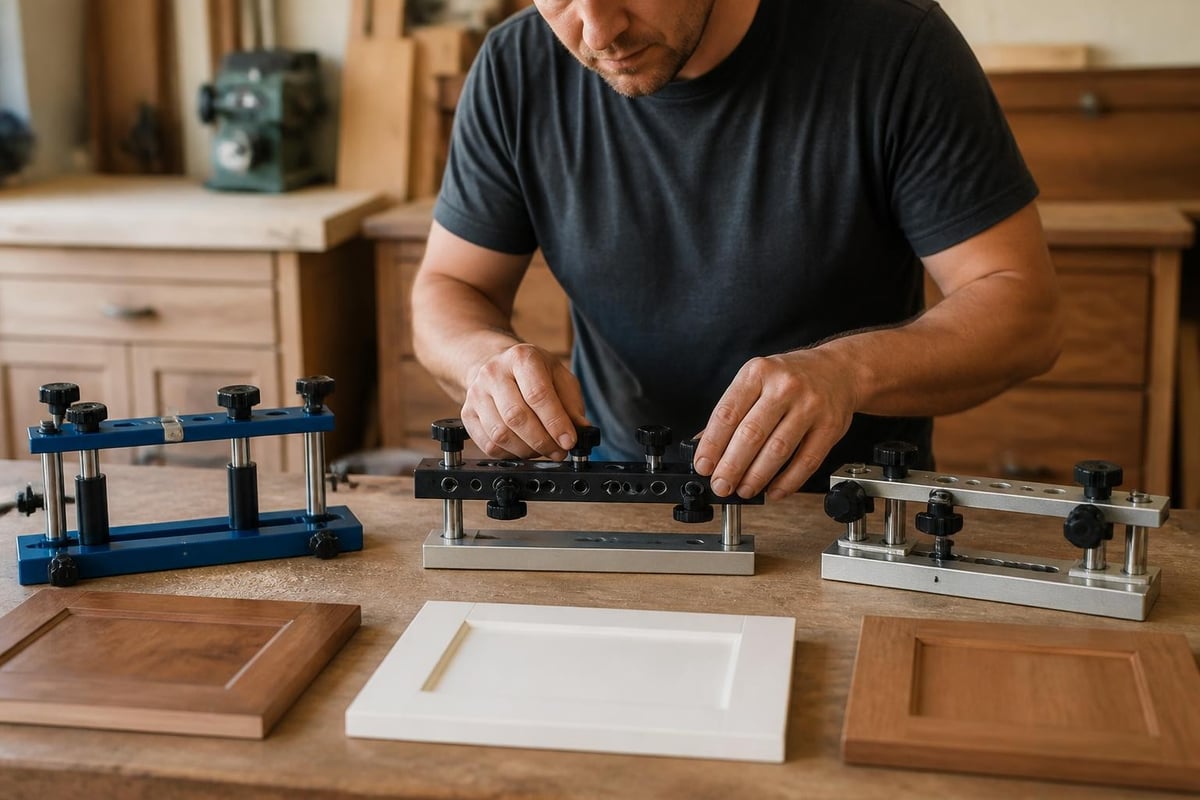
The market offers several distinct jig designs, each optimizing different aspects of the installation process. Understanding these variations helps match the tool to your specific requirements.
Template-Style Jigs
Template jigs provide a flat surface with pre-positioned holes that align with common hardware configurations. Users position the template against cabinet edges, then drill through the provided openings.
These tools excel at speed and simplicity. Cabinet hardware jigs using this design allow rapid progression through multiple cabinets without repeated measurements. However, they offer limited flexibility for non-standard spacing.
Adjustable Frame Jigs
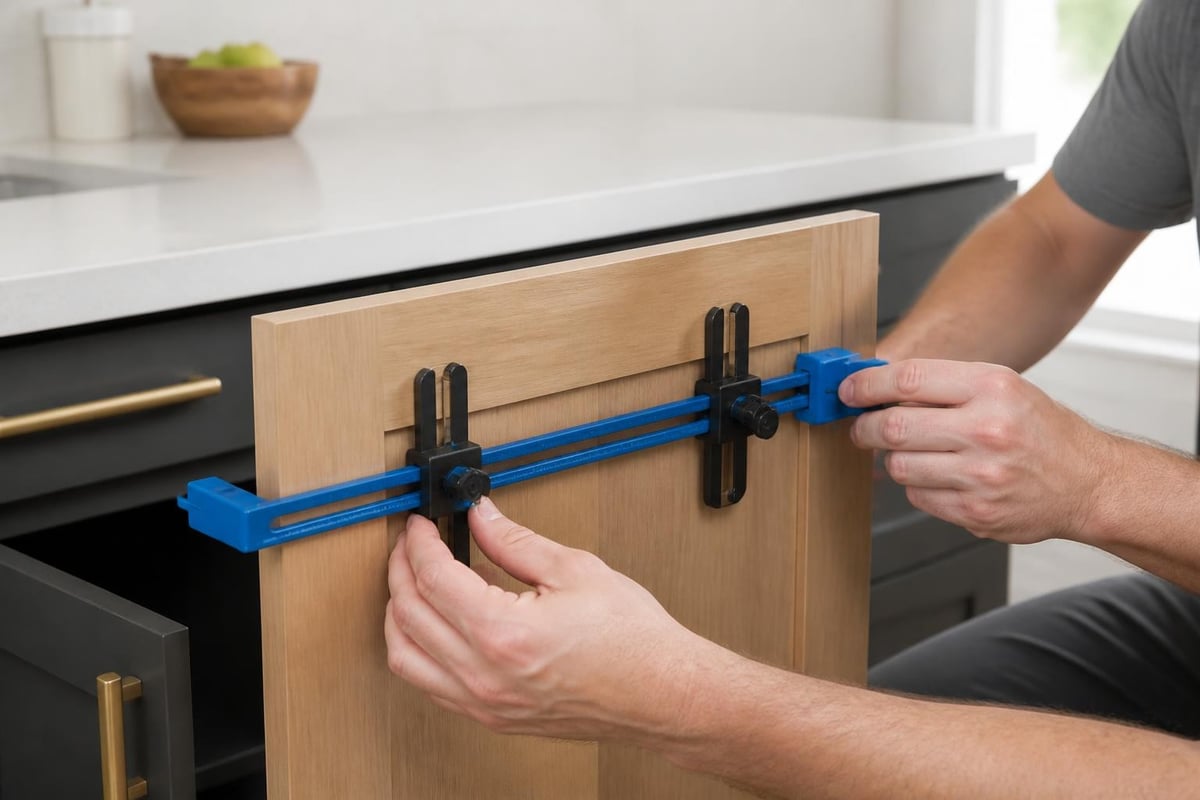
Adjustable frame designs incorporate sliding components that lock into position at desired measurements. This configuration provides maximum versatility while maintaining the benefits of guided drilling.
The frame surrounds the hardware location, referencing multiple cabinet edges simultaneously. This multi-point contact reduces positioning errors and accommodates doors of varying sizes without readjustment.
Self-Centering Jigs
Self-centering tools automatically position themselves at the midpoint of cabinet doors or drawer fronts. Spring-loaded arms extend to contact opposite edges, then lock the drilling guide at the calculated center.
Advantages of self-centering designs:
- Eliminate manual centering calculations
- Reduce setup time per installation
- Minimize user error in positioning
- Work effectively with irregular door dimensions
These jigs particularly benefit installers working with custom or non-standard cabinetry where door sizes vary throughout the project.
Selecting the Best Cabinet Hardware Jig for Your Needs
Choosing the right tool depends on project scope, hardware style, and installation frequency. Different users require different capabilities from their equipment.
For DIY Homeowners
Homeowners tackling occasional kitchen updates need reliability without excessive complexity. A mid-range adjustable jig costing between $25 and $45 typically provides excellent value for single-project applications.
Consider options that include clear measurement markings and simple adjustment mechanisms. Top-rated jigs for DIY applications prioritize user-friendliness over advanced features that professionals might require.
For Professional Installers
Cabinet makers and kitchen installers working daily with hardware installation benefit from premium tools built for extended use. Investment in a high-quality jig pays dividends through increased installation speed and reduced error rates.
Professional-grade options should offer:
- Superior build quality that survives job site conditions
- Rapid adjustment systems that minimize time between installations
- Multiple drilling guide positions for varied hardware styles
- Compatibility with power drill accessories and extensions
Reviews comparing professional jigs highlight durability and speed as primary differentiators in this category.
For Rental Property Managers
Property managers updating multiple units over time need durable tools that deliver consistent results across various cabinet styles. A versatile adjustable jig justifies its cost through repeated use across different properties.
Using a Cabinet Hardware Jig Effectively
Owning the best cabinet hardware jig means nothing without proper technique. Following established procedures ensures optimal results from any quality tool.
Preparation and Setup
Begin by gathering all necessary materials before starting installation. This includes the jig, appropriate drill bits, cabinet hardware, measuring tape, and pencil for verification marks.
Pre-installation checklist:
- Verify hardware dimensions match jig settings
- Confirm drill bit diameter matches hardware screws
- Test jig positioning on a scrap piece
- Organize hardware by location for systematic installation
Clean cabinet surfaces thoroughly before positioning the jig. Dust, grease, or debris can prevent proper contact between jig and cabinet, introducing positioning errors.
Positioning Techniques
Proper jig placement requires attention to reference edges. Most designs register against top and side edges of doors or drawer fronts, so ensure these surfaces are clean and undamaged.
For drawer pulls, standard practice places hardware at vertical center and horizontal center of the drawer front. Detailed positioning techniques demonstrate how different jig types achieve this alignment.
For door knobs, consider ergonomic positioning. While aesthetic concerns suggest centering, functional placement often positions knobs closer to the door edge for comfortable grip.
Drilling Best Practices
Use appropriate drill bit speed and pressure to prevent tear-out or splintering. Carbide-tipped bits work best for most cabinet materials, providing clean holes without excessive heat buildup.
| Material | Bit Type | Speed Setting | Backing Board |
|---|---|---|---|
| Solid Wood | Brad Point | Medium | Recommended |
| MDF | Carbide Twist | Medium-High | Essential |
| Plywood | Carbide Twist | Medium | Recommended |
| Melamine | Carbide Twist | Medium-Low | Essential |
Always drill from the visible face toward the interior surface. This approach minimizes visible tear-out on the cabinet exterior. Using a backing board prevents blow-out as the bit exits the material.
Common Mistakes to Avoid
Even with the best cabinet hardware jig, certain errors compromise installation quality. Recognizing these pitfalls helps maintain professional standards throughout your project.
Incorrect Measurement Verification
Never assume jig settings remain accurate without verification. Before drilling each cabinet, confirm the jig produces the intended spacing by dry-fitting hardware against marked positions.
Some installers skip verification after setting up the jig initially, only to discover errors after completing multiple cabinets. A quick check takes seconds but prevents extensive rework.
Neglecting Material Differences
Different cabinet materials require adjusted techniques despite using identical jigs. MDF demands sharper bits and backing boards to prevent fuzzy edges, while solid wood allows more aggressive drilling.
Failure to adapt technique to material results in poor-quality holes that compromise hardware stability and appearance. The jig ensures position accuracy, but drilling technique determines hole quality.
Ignoring Hardware Specifications
Cabinet pulls vary in mounting hole spacing, yet some installers attempt to use single jig settings across different hardware styles. Always verify that jig adjustment matches the specific hardware being installed.
Manufacturer specifications from quality hardware suppliers provide exact measurements that should be replicated precisely. Even small discrepancies prevent hardware from mounting flush against cabinet surfaces.
For homeowners and professionals throughout the Western Cape seeking quality cabinet hardware, JM Cabinet Solutions stocks trusted brands and provides expert guidance on both hardware selection and installation techniques. Their team understands the importance of precision installation and can recommend hardware options that work perfectly with jig-assisted mounting.

Advanced Jig Applications
Beyond basic knob and pull installation, quality jigs enable more complex hardware mounting scenarios. Understanding these applications expands the tool's value.
Multi-Point Handle Installation
Contemporary cabinet designs often feature vertical pulls spanning drawer height or elongated horizontal handles. These installations require multiple precisely aligned holes that traditional measuring methods struggle to achieve.
The best cabinet hardware jig accommodates these configurations through extended measurement ranges or modular components that maintain alignment across separated drilling points. Some advanced models include spacing bars that guarantee exact hole separation regardless of handle length.
Blind Corner Cabinet Solutions
Blind corner cabinets present unique challenges due to limited access and awkward angles. Specialized jig attachments or compact designs allow hardware installation in these confined spaces without removing cabinet doors or modifying surrounding elements.
Glass Door Applications
Installing hardware on glass cabinet doors demands extreme precision since mistakes cannot be concealed or easily corrected. Using a jig with glass doors requires additional considerations:
- Protective backing material to prevent glass fracture
- Specialized drill bits designed for glass penetration
- Lower drilling speeds to manage heat buildup
- Additional verification steps before committing to drilling
Professional installers often create templates based on jig measurements, then transfer these to glass fabricators for pre-drilling before installation.
Maintaining Your Hardware Jig
Proper care extends jig lifespan and maintains accuracy across years of service. These tools require minimal maintenance but benefit from attention to key areas.
Cleaning and Storage
Remove sawdust and debris after each use, particularly from drilling guide bushings and adjustment mechanisms. Compressed air efficiently clears particles from tight spaces without introducing moisture.
Storage recommendations:
- Keep jigs in protective cases to prevent impact damage
- Store in climate-controlled environments to prevent warping
- Separate metal and plastic components if moisture is present
- Avoid stacking heavy tools on top of jigs
Accuracy Verification
Periodically verify jig accuracy using precision measuring tools. Over time, repeated use or accidental impacts can shift components slightly, introducing errors into measurements.
Create a reference template during initial setup, then compare jig output against this standard quarterly or after significant use. If discrepancies appear, most quality jigs allow recalibration or component replacement.
Cost Considerations and Value Assessment
Pricing for cabinet hardware jigs ranges from budget options under $20 to professional systems exceeding $100. Understanding what drives these price differences helps determine appropriate investment levels.
Budget Options ($15-$30)
Entry-level jigs provide basic functionality suitable for single projects or occasional use. These tools typically use less durable plastics and offer limited adjustment ranges.
Budget jig characteristics:
- Adequate accuracy for non-critical applications
- Limited lifespan under heavy use
- Basic measurement markings that may wear
- Minimal included accessories or drilling guides
Despite limitations, quality budget options deliver satisfactory results for homeowners updating their kitchens once every decade.
Mid-Range Solutions ($30-$60)
This category represents optimal value for most users, balancing capability with affordability. Mid-range jigs incorporate better materials, expanded adjustment ranges, and improved drilling guide systems.
Professional installers working independently often find these tools provide everything needed for daily work without excessive investment. Durability typically supports hundreds of installations before replacement becomes necessary.
Premium Professional Tools ($60-$120)
High-end jigs target commercial cabinet shops and installation companies processing multiple kitchens weekly. These systems justify their cost through exceptional durability, rapid adjustment mechanisms, and comprehensive accessory packages.
Premium options may include:
- Interchangeable drilling guide sets for various hardware types
- Protective carry cases with organized storage
- Extended warranties covering commercial use
- Precision-machined components with tighter tolerances
Integration with Complete Installation Systems
Modern cabinet installation increasingly involves comprehensive tool systems rather than individual implements. Understanding how jigs fit into broader workflows maximizes efficiency.
Complementary Tools and Accessories
The best cabinet hardware jig works alongside other specialized tools to streamline entire installation processes. Drill guides, countersink bits, and depth stops ensure consistent results beyond positioning alone.
Many installers pair their jigs with magnetic bit holders that prevent screw loss and speed hardware attachment. Combined with quality cordless drills featuring adjustable torque settings, these systems allow single-person installation of extensive cabinetry.
Digital Measurement Integration
Some advanced users photograph jig settings or maintain digital logs of measurements for specific hardware styles. This documentation enables rapid reconfiguration when switching between different pull designs mid-project.
Mobile apps now exist that calculate optimal hardware positioning based on cabinet dimensions and ergonomic principles, then provide settings for adjustable jigs. While not essential, these technologies reduce mental calculation and minimize errors from fatigue during extended installations.
Regional Considerations for Western Cape Installers
Cabinet professionals and homeowners in the Helderberg region face specific considerations when selecting and using hardware jigs. Understanding these local factors improves project outcomes.
Climate Impact on Materials
The Western Cape's variable humidity affects wood cabinet materials differently than stable climates. Cabinets may expand or contract slightly with seasonal changes, potentially affecting previously installed hardware.
Using the best cabinet hardware jig ensures consistent initial positioning, but installers should account for wood movement in hardware selection. Slightly oversized mounting holes allow minor position shifts without binding or cracking cabinet materials.
Local Hardware Availability
Working with local suppliers who understand regional needs ensures hardware dimensions match jig capabilities. International hardware sometimes uses non-standard measurements that require jig adaptation or custom positioning.
Establishing relationships with knowledgeable suppliers provides access to installation advice specific to the hardware being mounted, complementing the precision that quality jigs deliver.
Making Your Final Decision
Selecting the best cabinet hardware jig ultimately depends on aligning tool capabilities with your specific requirements and usage patterns. No single option serves every user equally well.
Assessment Questions
Before purchasing, answer these key questions honestly:
Usage frequency: Will this jig install hardware weekly or once every few years?
Project scale: Are you updating a single kitchen or outfitting multiple properties?
Hardware variety: Will you work with standard pulls or diverse specialty hardware?
Budget flexibility: Can you invest in premium tools or do project economics require economy?
Your responses guide appropriate selection. Occasional users overspend on professional-grade tools they'll never fully utilize, while busy installers handicap themselves with inadequate budget options.
Trial and Verification
When possible, test jigs before committing to purchase. Many hardware suppliers maintain demonstration units, allowing hands-on evaluation of adjustment mechanisms and drilling guides.
Pay attention to how comfortably the jig fits your hands and working style. The technically superior tool means little if its operation feels awkward or unintuitive during actual installation work.
The right hardware jig transforms cabinet installation from tedious measurement exercises into efficient, accurate processes that deliver professional results every time. Whether you're a DIY homeowner tackling your first kitchen update or an experienced installer serving clients across the Western Cape, investing in quality tools and developing proper techniques ensures outstanding outcomes. JM Cabinet Solutions offers not only premium cabinet hardware perfectly suited for jig-assisted installation but also the expert guidance that helps you select and use these tools effectively. Visit their Strand location or explore their comprehensive online catalog to discover hardware solutions that elevate your cabinet projects to new levels of precision and professionalism.


Comments
Post a Comment