Salice Undermount Drawer Slides: Complete Guide 2026
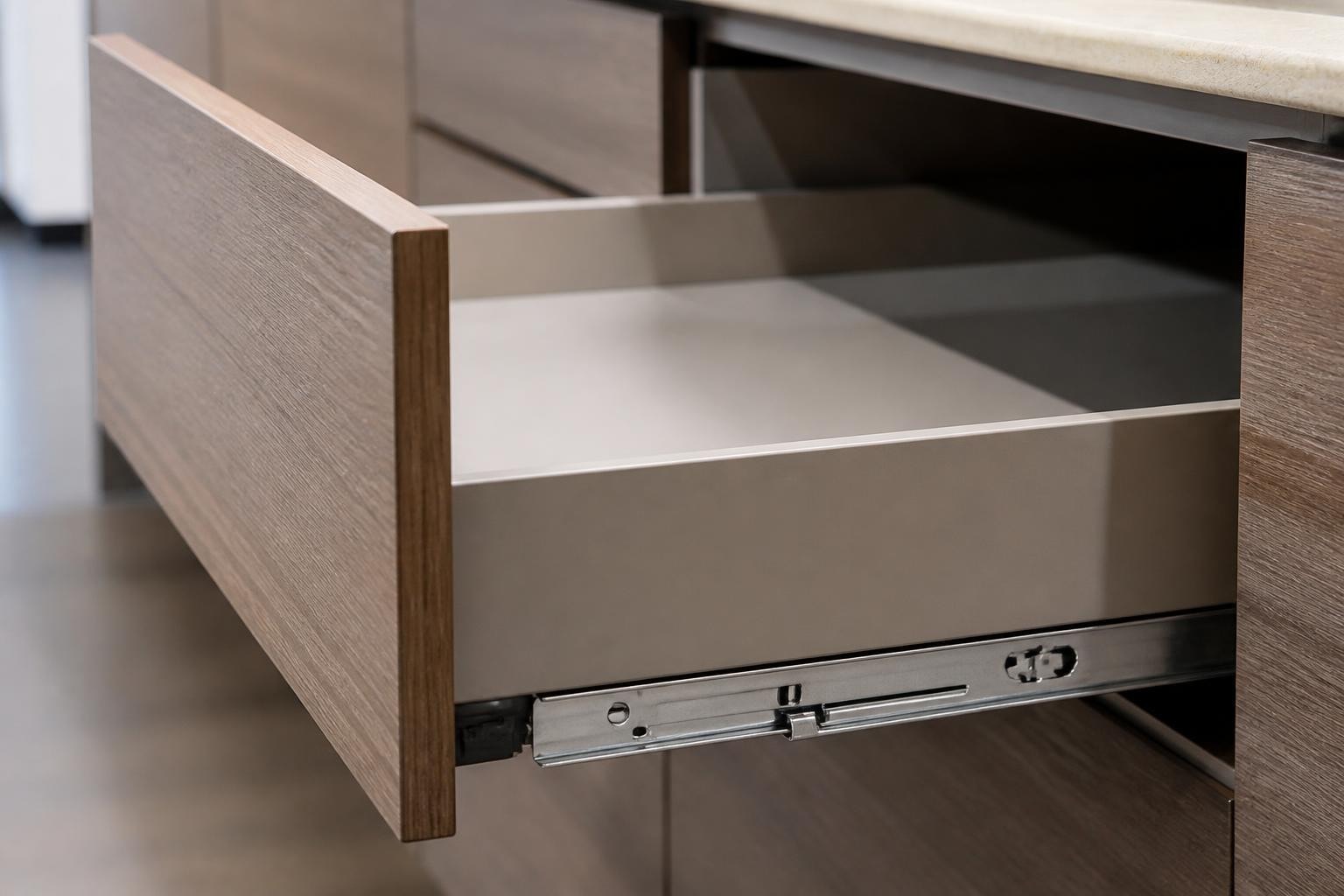
Selecting the right drawer slides transforms cabinet functionality from basic storage to premium craftsmanship. Among the various mounting systems available, salice undermount drawer slides represent a sophisticated solution that combines invisible hardware with exceptional performance. These Italian-engineered components deliver the smooth operation and durability that professionals across the Western Cape demand for high-end installations, while remaining accessible for skilled DIY enthusiasts who prioritize quality results.
Understanding Salice Undermount Drawer Slide Technology
Salice has established itself as a leading manufacturer of concealed mounting systems through decades of engineering innovation. Their undermount drawer slides mount beneath the drawer box rather than along the sides, creating a clean aesthetic that appeals to modern design sensibilities.
The fundamental advantage lies in the hidden installation. When you open a drawer equipped with salice undermount drawer slides, no visible hardware interrupts the clean lines of the cabinet interior. This design choice allows for full-extension drawer access while maintaining the visual integrity that contemporary kitchens and furniture demand.
Key Performance Specifications
Understanding the technical capabilities helps match the right slide to specific applications. Salice offers various models within their undermount range, each designed for distinct weight capacities and usage patterns.
| Model Series | Weight Capacity | Extension Type | Soft-Close Feature |
|---|---|---|---|
| Futura A7555 | Up to 45 kg | Full extension | Standard |
| Futura Push | Up to 40 kg | Full extension | Push-to-open |
| Standard Series | Up to 35 kg | 3/4 extension | Optional |
Load capacity determines which drawers receive which slides. Heavy cookware drawers require the robust 45 kg rating, while lighter applications like utensil drawers perform well with standard capacity models. The Salice Soft-Close Futura undermount drawer slide exemplifies the premium end of this spectrum.
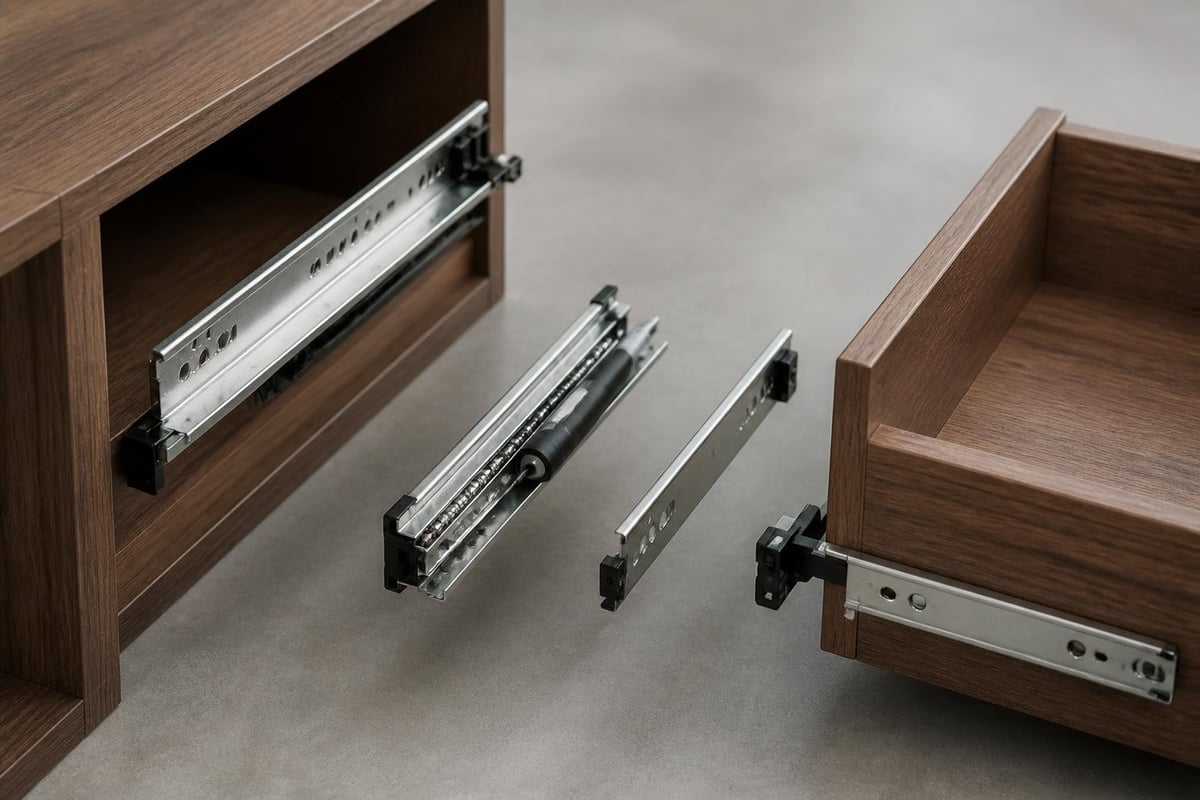
Installation Requirements and Cabinet Preparation
Proper installation begins long before mounting hardware. The precision required for salice undermount drawer slides exceeds that of traditional side-mount systems, making preparation critical to long-term performance.
Critical Measurements
Drawer box height must accommodate the slide profile. Most Salice undermount systems require a minimum drawer side height of 90mm, though this varies by model. Measure carefully before committing to drawer construction.
Cabinet depth dictates slide length. Standard residential applications use 450mm or 500mm slides for most base cabinets, while pantry systems may require 550mm or longer options. Always select slides 25-50mm shorter than the actual cabinet depth to allow proper clearance.
The cabinet opening width matters less with undermount systems than with side-mount alternatives. However, ensure adequate clearance between drawer sides and cabinet walls-typically 12-15mm per side.
Required Tools and Materials
Professional installation demands specific tools:
- Precision drill with appropriate bits
- Quality measuring tape and square
- Installation jig or template (highly recommended)
- Pencil for marking
- Pozidriv screwdriver (standard European hardware requirement)
- Level for verification
The installation process for undermount drawer slides requires attention to detail that separates functional hardware from exceptional performance.
Step-by-Step Installation Process
Installing salice undermount drawer slides follows a systematic approach that ensures alignment and smooth operation. Rushing this process compromises the precision engineering that makes these slides valuable.
Cabinet-Side Installation
Mark the mounting position on the cabinet bottom. Most installations place slides 37mm from the cabinet front edge, though this varies with overlay specifications.
Verify parallel alignment between left and right mounting positions. Even 2mm of misalignment creates binding issues during drawer operation.
Pre-drill screw holes using the manufacturer's template. The template eliminates measurement errors and speeds installation significantly.
Secure the cabinet-mounted rail using provided screws. Tighten firmly but avoid overtightening, which can strip the particleboard or plywood substrate.
Test the rail movement before proceeding. The carriage should slide smoothly along the full length without binding or rough spots.
Drawer-Side Installation
The drawer-mounted bracket attaches to the drawer bottom, requiring equal precision:
- Position brackets exactly flush with the drawer front edge
- Maintain consistent side-to-side measurements
- Use the locking mechanism to secure brackets before final tightening
- Verify drawer bottom thickness matches slide specifications (typically 12mm minimum)
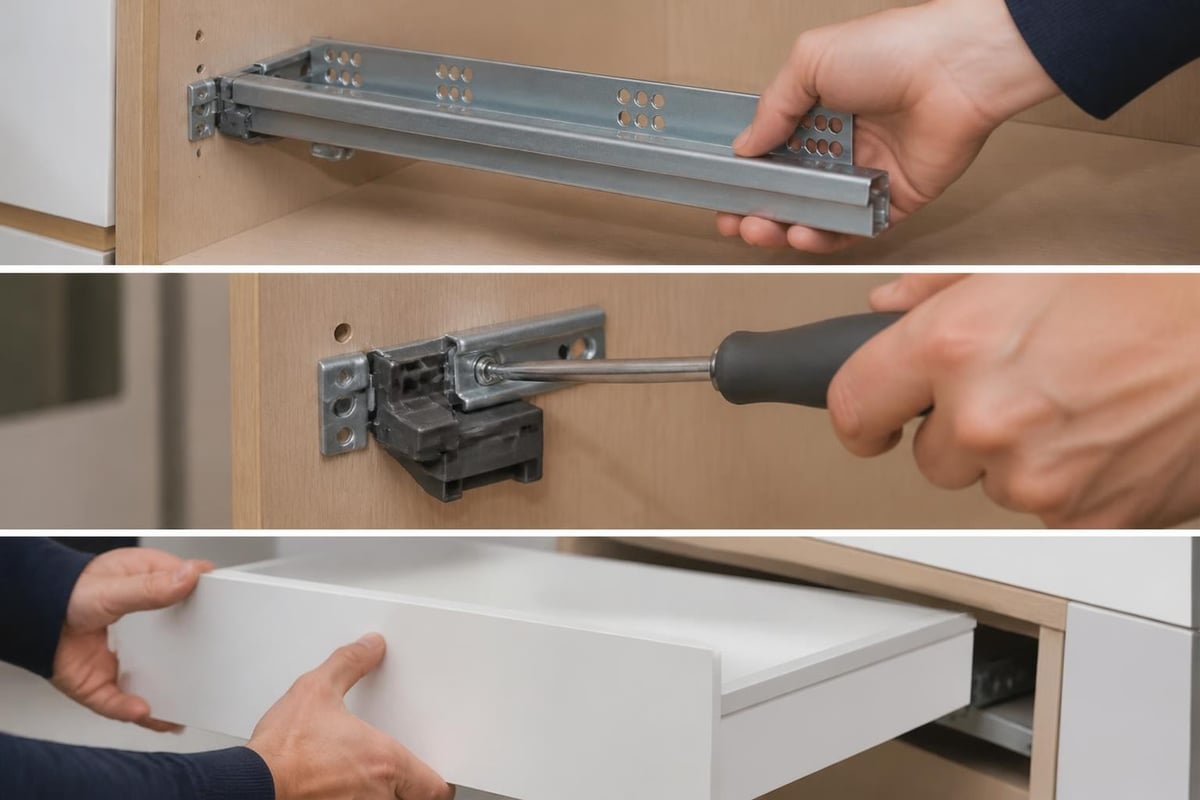
After mounting both components, the connection process involves sliding the drawer-mounted brackets onto the cabinet rails until the locking mechanism engages. This audible and tactile click confirms proper installation.
Troubleshooting Common Installation Challenges
Even experienced installers encounter obstacles when working with precision hardware. Understanding common issues accelerates problem resolution and prevents costly reinstallation.
Drawer Front Misalignment
If drawer fronts sit crooked or uneven after installation, the cause typically traces to one of three issues:
Unequal slide positioning between left and right sides creates a skewed drawer box. Remeasure from the cabinet front to each slide mounting position. Both measurements must match within 1mm.
Drawer box construction flaws compound during installation. If the drawer box itself isn't square, no amount of slide adjustment compensates. Verify drawer box squareness before blaming the slides.
Substrate inconsistencies affect mounting stability. Particleboard cabinet bottoms that aren't perfectly flat create mounting plane variations that translate to visible misalignment.
Binding or Resistance During Operation
Smooth gliding represents the hallmark of properly installed salice undermount drawer slides. Resistance indicates correctable problems:
- Debris in the track: Sawdust from installation settles in the ball-bearing track
- Overloading: Exceeding rated capacity strains the mechanism
- Lateral misalignment: Slides mounted at different heights bind against each other
- Soft-close damper interference: Improper engagement creates premature damping
The video demonstration of undermount slide installation illustrates proper alignment techniques that prevent binding issues.
Comparing Salice to Alternative Drawer Slide Systems
Understanding how salice undermount drawer slides compare to other mounting systems helps professionals and homeowners make informed purchasing decisions. Each system offers distinct advantages depending on project requirements.
Undermount vs. Side-Mount Comparison
| Feature | Undermount (Salice) | Traditional Side-Mount |
|---|---|---|
| Visual appearance | Completely hidden | Visible on drawer sides |
| Load capacity | Up to 45 kg | Typically 20-35 kg |
| Installation complexity | High precision required | More forgiving tolerances |
| Full extension | Standard on most models | Available on premium models |
| Cost per pair | Higher initial investment | Budget-friendly options available |
| Drawer box requirements | Specific height minimums | Flexible sizing |
For professional installations where aesthetics matter, the concealed nature of salice undermount drawer slides justifies the additional installation precision and cost. DIY projects with budget constraints may find traditional side-mount systems more accessible.
Salice Futura vs. Standard Series
Within the Salice product line, the Futura undermount drawer slides represent the premium tier. These models feature enhanced ball-bearing systems, integrated soft-close dampers, and higher weight capacities compared to standard Salice offerings.
Futura advantages include:
- Smoother operation through precision-ground rails
- Longer service life in high-cycle applications
- Superior weight distribution for heavy drawers
- More refined soft-close action
Standard series benefits:
- Lower cost for budget-conscious projects
- Adequate performance for light-to-medium duty applications
- Identical installation process
- Compatible with same cabinet configurations
Soft-Close and Push-to-Open Technologies
Modern drawer slides incorporate convenience features that elevate user experience beyond basic open-and-close functionality. Salice integrates these technologies seamlessly into their undermount platform.
Integrated Soft-Close Mechanisms
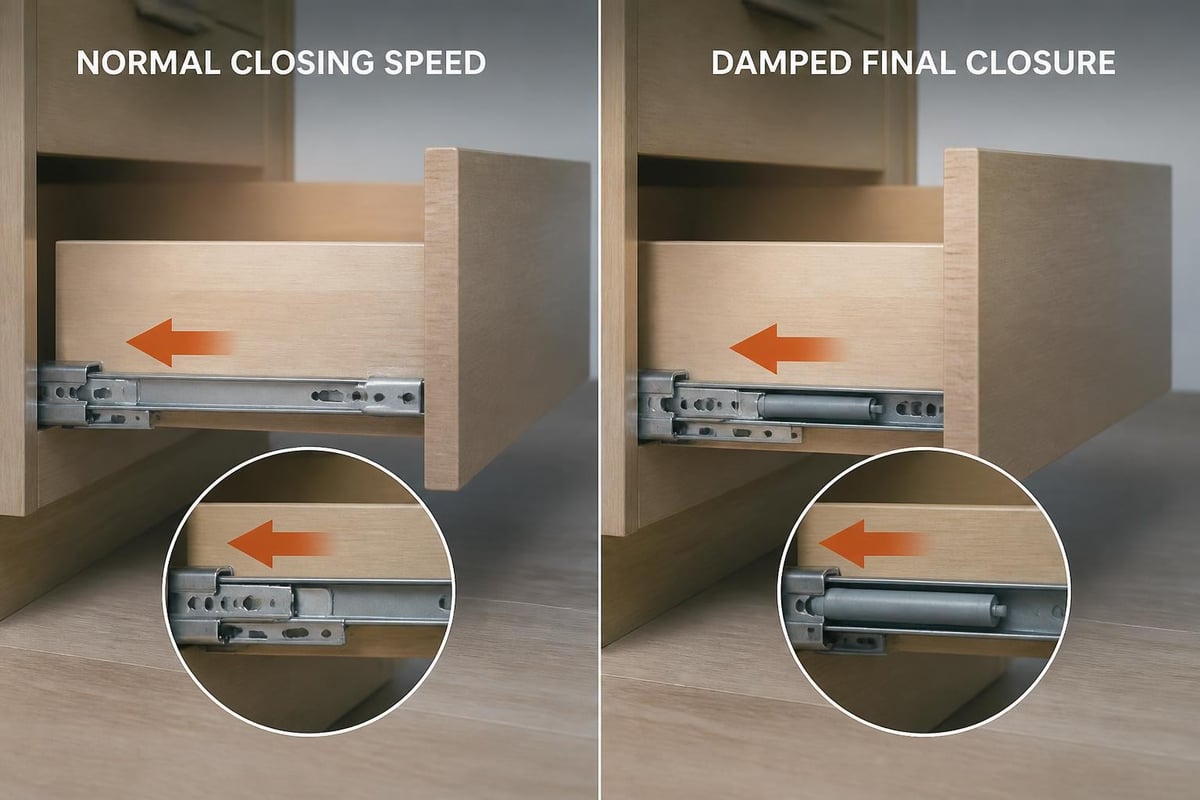
The soft-close damper prevents drawer slam, extending hardware life while reducing noise. Salice soft-close systems use hydraulic dampers that engage during the final 50-75mm of drawer travel.
This cushioned closing:
- Protects cabinet contents from impact
- Reduces wear on drawer box joinery
- Creates a premium user experience
- Requires no additional components or installation steps
The damping force adjusts automatically based on drawer weight, maintaining consistent closing speed across varying loads.
Push-to-Open Functionality
Handle-less cabinet designs demand alternative opening mechanisms. The 21" Futura "Push" undermount drawer slides incorporate touch-latch systems that open drawers with a simple press.
This technology works through a spring-loaded mechanism:
- Light pressure on the drawer front releases the catch
- Spring force pushes the drawer partially open
- User completes the opening motion manually
- Soft-close engages during closing cycle
Push-to-open systems require precise installation to ensure consistent engagement. The drawer front must sit exactly flush with surrounding cabinet faces for reliable operation.
Material Compatibility and Drawer Box Construction
Salice undermount drawer slides perform optimally when paired with properly constructed drawer boxes. Material selection and joinery methods significantly impact long-term performance.
Drawer Box Material Requirements
Solid wood drawers provide excellent screw holding power and structural rigidity. Hardwoods like maple, oak, or birch support salice undermount drawer slides without additional reinforcement for typical residential applications.
Plywood construction offers consistent thickness and good fastener retention. Baltic birch plywood remains popular for drawer box construction due to its void-free core and dimensional stability.
Particleboard or MDF requires careful consideration. While acceptable for lighter drawers, these materials offer reduced screw-holding capacity. Consider through-bolting or reinforcement blocks for heavy-duty applications.
Minimum Dimension Standards
Drawer side height directly affects undermount slide compatibility:
- 90mm minimum for standard Salice models
- 120mm recommended for heavy-duty applications
- 150mm+ for deep drawers in pantry systems
Bottom thickness matters equally. Most salice undermount drawer slides specify 12mm minimum drawer bottom thickness. Thinner materials flex under load, creating operational issues and premature wear.
Maintenance and Longevity Considerations
Quality drawer slides represent an investment in long-term cabinet performance. Proper maintenance extends service life and preserves smooth operation through decades of daily use.
Routine Maintenance Schedule
Monthly inspection catches developing issues before they escalate:
- Wipe rails with dry cloth to remove dust accumulation
- Verify smooth operation across full extension
- Check mounting screws for loosening
- Listen for unusual sounds indicating wear
Annual deep cleaning maintains optimal performance:
- Remove drawers completely from cabinet
- Clean ball-bearing tracks with degreasing solvent
- Inspect soft-close dampers for oil leaks
- Apply light lubricant to moving components (use manufacturer-recommended products only)
Expected Service Life
Under normal residential use, salice undermount drawer slides typically deliver 15-20 years of reliable service. High-cycle commercial applications may see shorter lifespans, while careful homeowner use can extend performance beyond 25 years.
Signs of wear requiring replacement include:
- Persistent binding despite cleaning
- Soft-close failure or inconsistent damping
- Visible wear on ball bearings or rails
- Looseness or play in extended position
- Difficulty achieving full extension
Professional vs. DIY Installation Considerations
The precision required for undermount slide installation raises questions about when to hire professionals versus tackling installation independently. Both approaches offer merit depending on specific circumstances.
When Professional Installation Makes Sense
Complex projects benefit from experienced installers:
- Full kitchen renovations with 20+ drawers
- Custom cabinetry requiring exact specifications
- High-end installations where perfection is non-negotiable
- Projects with tight timelines
Professional installers bring specialized jigs, templates, and experience that accelerate installation while ensuring precision. Their familiarity with salice undermount drawer slides eliminates the learning curve that adds time and potential errors to DIY projects.
DIY Success Factors
Skilled homeowners successfully install undermount slides when:
- Working with small projects (single vanity or small kitchen)
- Possessing quality tools and measuring equipment
- Following detailed instructions methodically
- Accepting the learning curve on initial installations
The comprehensive installation guide for undermount drawer slides in cabinets provides the detailed instruction that confident DIYers need for successful results.
Investment in proper installation jigs transforms DIY installation from challenging to manageable. These positioning tools eliminate measurement errors and ensure consistent results across multiple drawers.
Selecting the Right Salice Model for Your Application
The Salice product line encompasses multiple undermount models, each optimized for specific applications. Matching slides to intended use ensures optimal performance and value.
Application-Based Selection Guide
Kitchen base cabinets typically require:
- 450mm or 500mm slide length
- 40-45 kg weight capacity for pot and pan drawers
- Soft-close damping for noise reduction
- Full extension for accessibility
Bathroom vanities perform well with:
- 350mm to 400mm slides for shallower cabinets
- 25-30 kg capacity for toiletries and linens
- Soft-close for gentle operation
- Standard extension adequate for most applications
Office furniture drawers benefit from:
- Various lengths matching desk depth
- 30-35 kg capacity for files and supplies
- Push-to-open for handle-less contemporary designs
- Full extension for file drawer accessibility
Bedroom closet systems utilize:
- 450mm to 550mm slides for standard wardrobe depths
- 35-40 kg capacity for clothing and accessories
- Soft-close for quiet operation
- Full extension for complete access
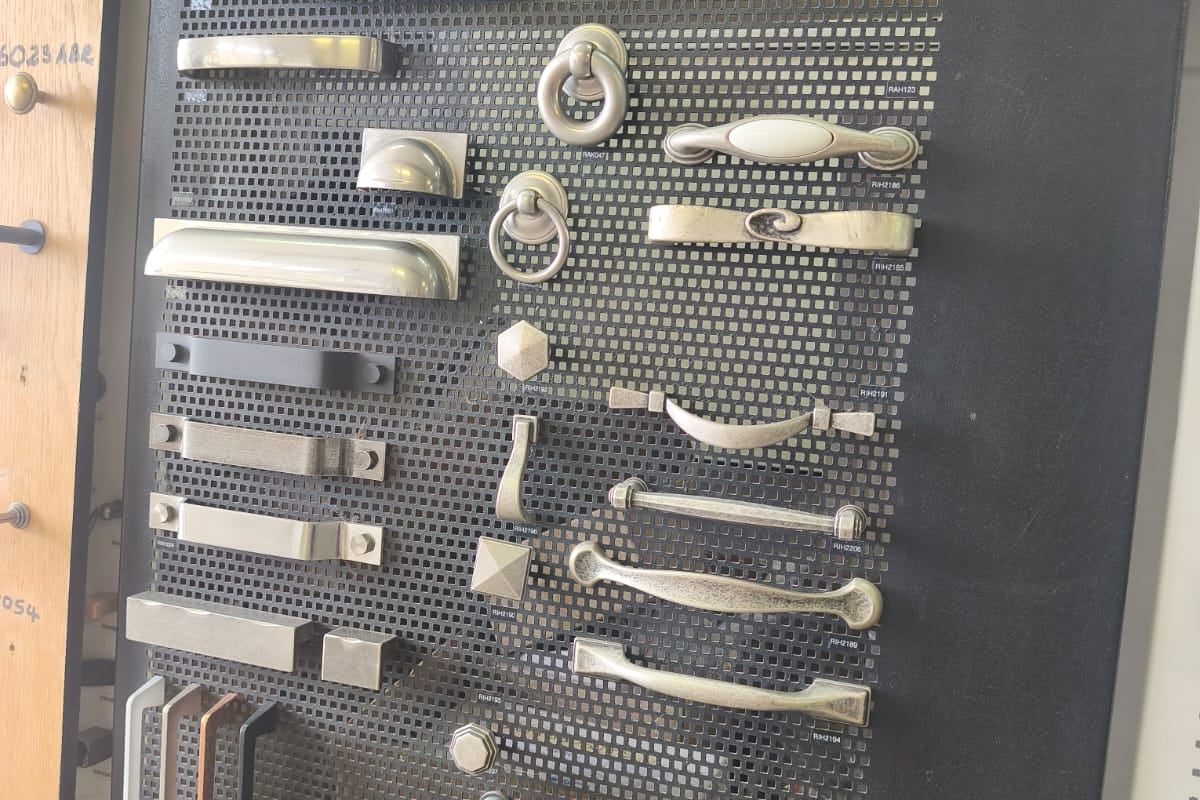
If you're planning a cabinet project or upgrading existing hardware, finding quality components makes all the difference. JM Cabinet Solutions – Cabinet Fittings & Hardware stocks a comprehensive range of premium drawer slides, including trusted international brands, to support both professional installers and DIY enthusiasts throughout the Western Cape.
Cost Analysis and Value Considerations
Understanding the total cost of ownership helps justify the premium pricing that salice undermount drawer slides command. Initial purchase price represents only one component of the value equation.
Price Point Comparison
| Slide Type | Price Range (per pair) | Expected Lifespan | Cost per Year |
|---|---|---|---|
| Budget side-mount | R150-R250 | 5-8 years | R20-R50 |
| Quality side-mount | R300-R500 | 10-15 years | R20-R50 |
| Salice undermount | R600-R900 | 15-20 years | R30-R60 |
| Premium undermount | R900-R1,400 | 20-25 years | R36-R70 |
While salice undermount drawer slides cost more initially, their extended service life and superior performance narrow the gap when calculated annually. The aesthetic benefits-completely hidden hardware-add value that doesn't appear in simple cost calculations.
Hidden Value Factors
Reduced maintenance requirements save time and expense over the slide's lifetime. Quality construction means fewer adjustments, less frequent replacement, and sustained smooth operation.
Enhanced property value matters for renovation projects. Premium hardware choices contribute to overall kitchen quality, influencing home values and buyer perception during eventual resale.
User satisfaction delivers daily benefits throughout ownership. The refined operation of soft-close, full-extension undermount slides creates a premium experience that basic hardware cannot match.
Installation Resources and Support
Success with salice undermount drawer slides depends partly on accessing quality installation guidance and technical support. Multiple resources help both professionals and DIYers achieve optimal results.
Manufacturer Documentation
Salice provides comprehensive technical documentation including:
- Detailed dimension drawings with precise measurements
- Installation sequence illustrations
- Troubleshooting guides for common issues
- Load capacity specifications and testing data
- Maintenance recommendations and schedules
These documents eliminate guesswork and provide authoritative answers to installation questions.
Online Installation Guides
The cabinet hardware community has developed extensive installation resources. The detailed overview of drawer slides and their applications covers various mounting systems, helping installers understand how undermount technology compares to alternatives.
Video tutorials offer visual learning for those who prefer demonstration over written instruction. Watching experienced installers work through the process reveals techniques and tips that written guides sometimes miss.
Local Supplier Support
Working with knowledgeable suppliers provides access to experienced advice tailored to specific projects. Questions about unusual cabinet configurations, non-standard applications, or troubleshooting benefit from direct conversation with hardware specialists who understand both the products and local installation conditions.
For projects across the Helderberg and Western Cape, connecting with suppliers familiar with regional construction practices and climate considerations helps ensure successful installations that perform reliably through South African conditions.
Advanced Applications and Custom Solutions
While standard drawer installations represent the primary use case, salice undermount drawer slides adapt to specialized applications that demand creative problem-solving.
File Drawer Conversions
Converting standard drawers to accommodate hanging file folders requires specific slide characteristics:
- Full extension provides access to files at the back
- Higher weight capacity supports loaded files
- Lateral stability prevents side-to-side movement when accessing individual folders
The undermount configuration keeps hardware clear of the drawer interior, maximizing usable filing space compared to side-mount alternatives.
Pullout Pantry Systems
Deep pantry cabinets benefit from drawer-style organization. Salice undermount systems support pullout pantry applications when:
- Slide length matches cabinet depth
- Weight capacity accommodates canned goods and bulk items
- Full extension allows access to items at the back
- Smooth operation handles daily high-cycle use
These applications often require slides in the 550mm to 650mm range with premium weight ratings.
Specialty Furniture Applications
Beyond kitchen and bath, salice undermount drawer slides serve:
- Custom workbenches with tool storage drawers
- Entertainment centers with concealed media equipment storage
- Retail displays requiring smooth, reliable drawer operation
- Medical cabinets demanding quiet, clean operation
Each application leverages the hidden mounting, smooth operation, and reliability that define quality undermount slide systems.
Selecting and installing salice undermount drawer slides elevates cabinet functionality while maintaining the clean aesthetic that modern design demands. Understanding specifications, following precise installation procedures, and choosing appropriate models for specific applications ensures optimal performance that lasts for decades. Whether you're a professional installer working on high-end kitchen renovations or a skilled DIY enthusiast upgrading your home cabinets, JM Cabinet Solutions provides access to quality hardware and practical expertise throughout the Western Cape. Their specialist knowledge helps match the right components to your specific requirements, supporting successful projects from planning through installation.


Comments
Post a Comment