Cabinet Door Supplier: Selection Guide for 2026
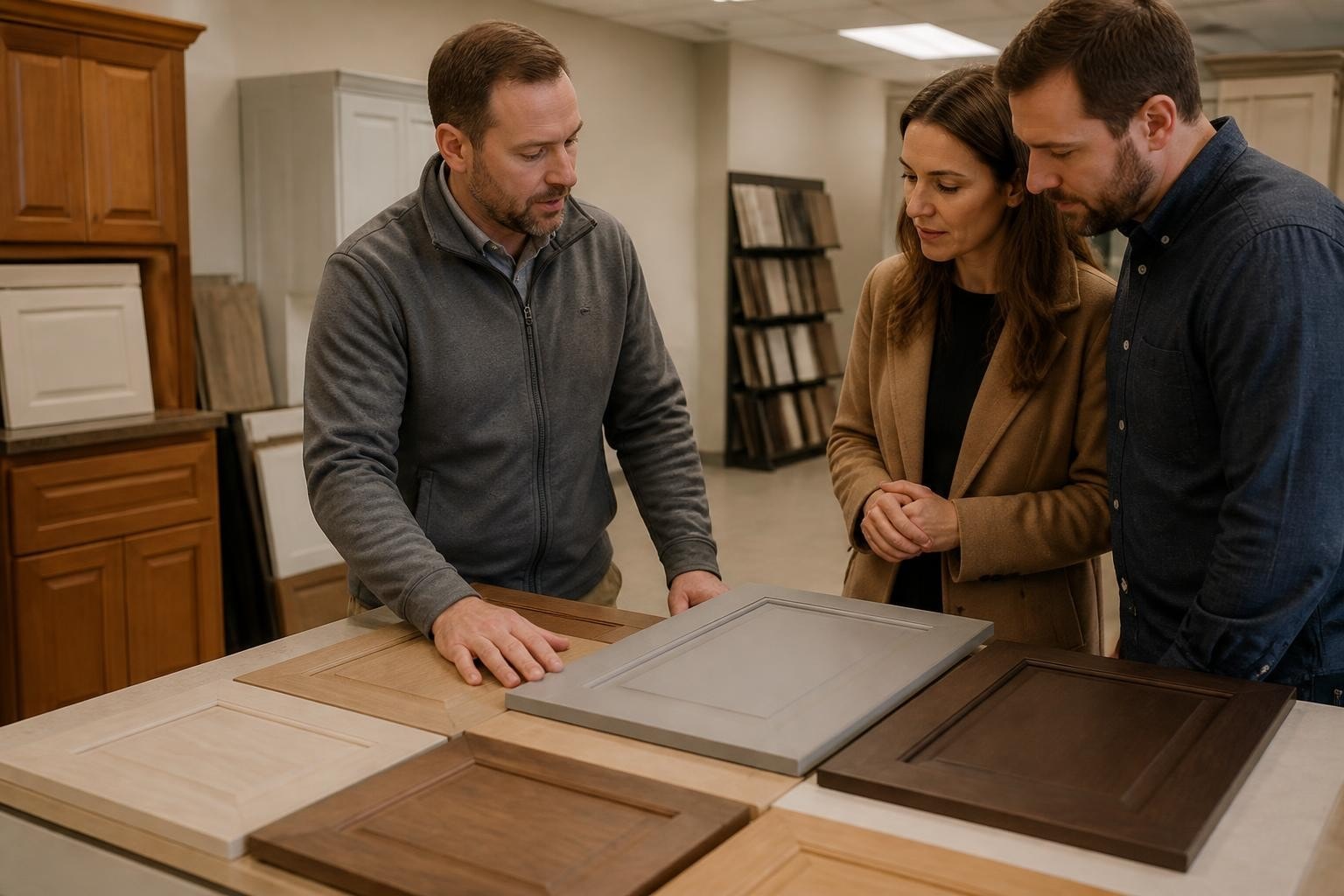
Selecting the right cabinet door supplier can make or break your kitchen renovation, cabinet making project, or installation business. Whether you're a DIY homeowner planning a kitchen refresh, a professional installer managing multiple projects, or a cabinet maker building custom pieces, understanding what separates a reliable supplier from a mediocre one is essential. The cabinet door market has evolved significantly, with new materials, manufacturing technologies, and quality standards reshaping how suppliers operate and what customers should expect in 2026.
Understanding Cabinet Door Supplier Categories
The cabinet door industry consists of several distinct supplier types, each serving different market segments with unique strengths and limitations. Recognizing these categories helps you match your specific needs with the right source.
Large-Scale Manufacturers
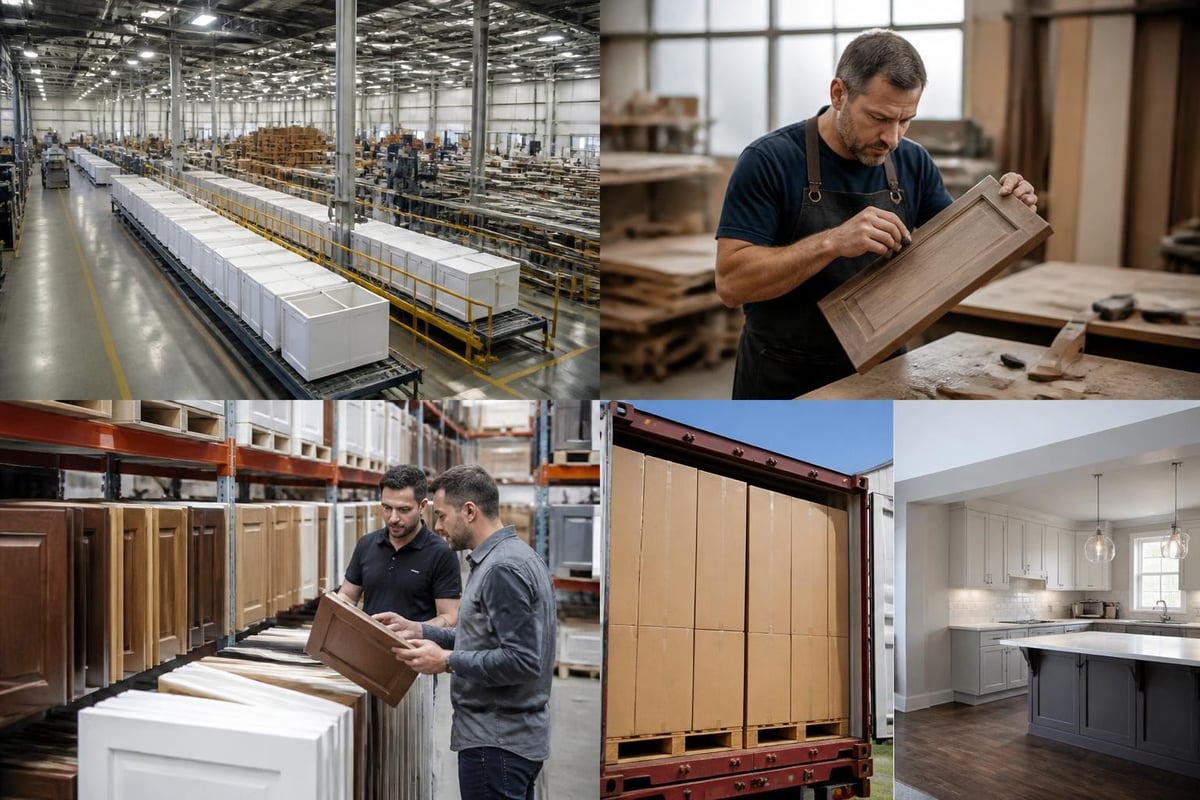
National and international manufacturers produce cabinet doors in high volumes using automated equipment and standardized designs. These suppliers typically offer competitive pricing due to economies of scale, consistent quality control, and extensive inventory systems. However, customization options may be limited to standard sizes and finishes.
Advantages of large manufacturers include:
- Predictable lead times ranging from two to four weeks
- Consistent quality across large orders
- Lower per-unit costs for standard specifications
- Established distribution networks
Regional Custom Shops
Smaller regional operations focus on custom work and specialty projects that larger manufacturers cannot accommodate efficiently. A cabinet door supplier in this category often works directly with designers, architects, and high-end residential clients who require unique species, profiles, or finishing techniques.
| Supplier Type | Best For | Typical Lead Time | Customization Level |
|---|---|---|---|
| Large Manufacturer | Standard projects, volume orders | 2-4 weeks | Low to Medium |
| Regional Custom Shop | Unique designs, specialty wood | 4-8 weeks | High |
| Trade Supply House | Professional installers | 1-3 weeks | Medium |
| Direct Import | Cost-sensitive projects | 6-12 weeks | Low |
Trade-Only Suppliers
These suppliers serve exclusively professional cabinet makers, installers, and contractors, offering trade pricing, technical support, and project management services. Many require business credentials to establish accounts but provide valuable support for complex installations.
Material Standards and Quality Verification
Understanding the materials your cabinet door supplier uses is fundamental to evaluating long-term performance and value. The substrate, face material, and finish all contribute to durability, appearance, and environmental impact.
Substrate Options
Modern cabinet doors utilize various core materials, each with distinct performance characteristics. Medium-density fiberboard (MDF) provides exceptional surface smoothness and stability, making it ideal for painted finishes. Plywood cores offer superior strength and moisture resistance, particularly important in humid climates or near water sources.
The Architectural Woodwork Institute standards specify detailed requirements for cabinet door materials, including acceptable wood species, moisture content ranges, and construction methods. Professional cabinet door suppliers should demonstrate familiarity with these standards and be able to provide documentation showing compliance.
Key material considerations:
- Formaldehyde emissions and environmental certifications
- Moisture resistance ratings for different environments
- Structural stability across temperature variations
- Surface preparation quality for finishing
Engineered wood products have become increasingly sophisticated. According to the Engineered Wood Association's standards and accreditations, modern composite materials can match or exceed solid wood performance in many applications while offering improved dimensional stability.
Face Veneer and Solid Wood Quality
When evaluating a cabinet door supplier offering wood doors, examine veneer matching, thickness, and species selection. Premium suppliers use book-matched or sequence-matched veneers that create consistent grain patterns across multiple doors. Veneer thickness typically ranges from 0.6mm to 1.5mm, with thicker veneers allowing for potential refinishing years later.
Recent material guides, such as this comprehensive comparison of cabinet materials, highlight how different substrates and face materials perform in various applications, helping you make informed decisions based on your specific project requirements.
Quality Certification and Testing Standards
Reputable cabinet door suppliers pursue third-party certifications that verify construction quality, environmental compliance, and performance durability. These certifications provide measurable assurance beyond marketing claims.
KCMA Certification Program
The Kitchen Cabinet Manufacturers Association administers the A161.1 testing standard, which subjects cabinet components to rigorous performance tests simulating years of use. The KCMA resources detail specific tests for door strength, finish durability, and hardware attachment integrity.
A certified cabinet door supplier demonstrates their products have passed:
- Door operation testing (25,000 cycle minimum)
- Finish resistance to household chemicals and heat
- Structural load requirements for hardware
- Edge and surface impact resistance
- Moisture exposure performance
Environmental and Health Standards
Formaldehyde emissions from composite wood products are regulated under both federal law and green building standards. The LEED v5 BD+C Reference Guide establishes maximum emission levels for products used in certified projects, pushing manufacturers toward ultra-low-emitting adhesives and substrates.
California's CARB2 standards have effectively become the national benchmark, with compliant products safe for residential use without special ventilation requirements. Your cabinet door supplier should provide CARB2 or EPA TSCA Title VI certification documentation without hesitation.

Construction Methods and Style Options
The construction method your cabinet door supplier uses significantly impacts appearance, durability, and cost. Understanding these differences helps you specify the right product for each application.
Frame and Panel Construction
Traditional frame and panel doors feature solid wood frames with floating panels that accommodate wood movement across seasonal humidity changes. This time-tested construction method appears in both classic and contemporary designs.
Frame and panel advantages:
- Natural wood movement accommodation
- Repair and refinishing flexibility
- Wide range of profile and panel options
- Proven long-term durability
Quality suppliers carefully select lumber for consistent grain, color, and character. Expert guidance on cabinet materials emphasizes that solid wood doors require proper finishing and installation to perform well over decades.
Slab and Flat Panel Doors
Modern and contemporary kitchens often feature slab doors with completely flat faces or minimal design details. These doors may use MDF cores with wood veneer, high-pressure laminate, or acrylic surfaces. Manufacturing precision becomes critical as any imperfection shows prominently on flat surfaces.
A cabinet door supplier specializing in contemporary styles should demonstrate:
- Edge banding quality and adhesion
- Surface flatness within 0.5mm tolerance
- Consistent finish application without orange peel
- Clean corner joints without gaps or overlaps
Five-Piece Construction Variations
Professional-grade doors use mortise-and-tenon joinery, dowel construction, or pocket screw assembly. Mortise-and-tenon joints provide maximum strength but require sophisticated machinery and skilled setup. Many cabinet makers and installers find that working with a supplier who understands cabinet installation best practices helps ensure doors arrive properly sized and prepped for hardware.
Pricing Models and Order Processes
Understanding how cabinet door suppliers structure pricing helps you budget accurately and identify hidden costs that emerge during the ordering process.
Per-Door vs. Per-Square-Foot Pricing
Some suppliers quote individual door prices based on size ranges, while others calculate costs per square foot of door surface. Per-square-foot pricing typically becomes more economical for larger doors and less competitive for small cabinet doors.
| Pricing Model | Best Application | Typical Range |
|---|---|---|
| Per Door | Standard sizes, mixed projects | $25-$150 per door |
| Per Square Foot | Large doors, consistent sizing | $15-$45 per sq ft |
| Program Pricing | Volume buyers, repeat customers | Negotiated discount |
| Complete Sets | Full kitchen packages | $2,000-$8,000 |
Minimum Order Requirements
Many professional cabinet door suppliers establish minimum orders to ensure production efficiency. Minimums may be based on door quantity (typically 10-25 doors), total dollar value ($500-$1,500), or linear footage of material. Custom finishes and specialty species often carry higher minimums.
Hardware Compatibility and Preparation
The best cabinet door supplier delivers doors properly prepared for the hardware you plan to install. This preparation significantly reduces installation time and ensures proper door operation.
Hinge Boring and Placement
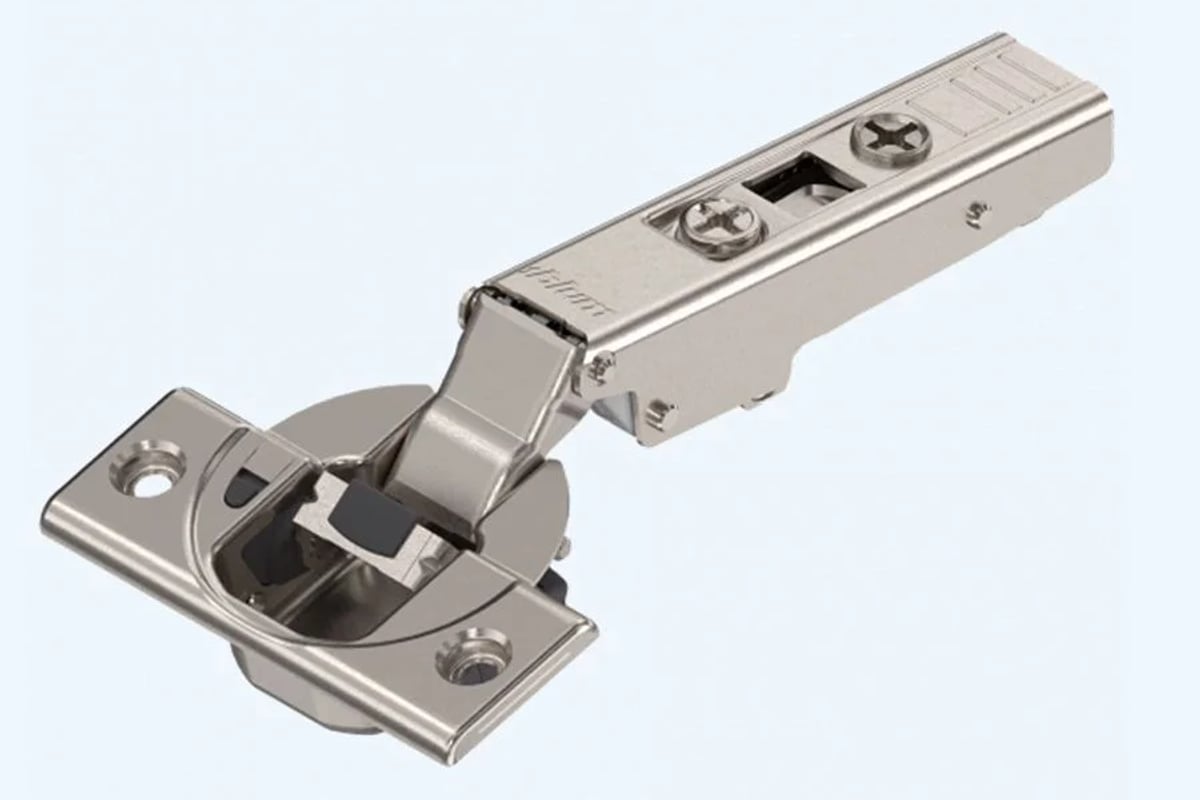
European-style concealed hinges require precise 35mm boring at specific locations. Doors should arrive with hinge cups drilled to exact depth and placement specifications. Different cabinet hinge types require specific boring patterns, and your supplier should accommodate various mounting plate systems from brands like Blum, Salice, and Hettich.
Standard hinge preparations include:
- 35mm diameter cups at 12.5mm depth
- Placement 22mm from door edge (center of cup)
- Vertical spacing at 100mm from top and bottom
- Additional hinge locations for doors over 1200mm tall
For professional installers and cabinet makers throughout the Western Cape, having doors arrive with accurate hardware preparation eliminates a significant portion of shop time and potential installation errors.
Handle and Pull Drilling
Many suppliers offer handle drilling services at specific center-to-center measurements. Common centers include 96mm, 128mm, and 160mm for pulls, with single-hole drilling for knobs. The proper use of cabinet hardware jigs ensures consistent placement across multiple doors, but factory drilling provides even greater precision and time savings.
Finish Quality and Options
Finish durability directly impacts long-term appearance and maintenance requirements. A quality cabinet door supplier offers multiple finish levels with clear performance specifications for each.
Factory vs. Unfinished Doors
Factory-finished doors arrive ready for installation with professionally applied stains, paints, or clear coats. This convenience comes with premium pricing but eliminates job-site finishing challenges, odors, and drying time. Unfinished doors provide maximum customization flexibility and lower initial costs but require proper finishing equipment and expertise.
According to detailed analysis of cabinet quality factors, factory finishes typically include multiple coats with sanding between applications, resulting in superior durability compared to most field-applied finishes.
Catalyzed vs. Standard Finishes
Catalyzed conversion varnish and pre-catalyzed lacquers offer exceptional resistance to household chemicals, moisture, and wear. These professional-grade finishes cure through chemical reaction rather than simple solvent evaporation, creating extremely durable surfaces that maintain appearance for decades.
Performance comparison:
| Finish Type | Durability Rating | Chemical Resistance | Repair Ease | Cost Factor |
|---|---|---|---|---|
| Standard Lacquer | Good | Moderate | Easy | 1.0x |
| Pre-catalyzed | Very Good | Good | Moderate | 1.3x |
| Conversion Varnish | Excellent | Excellent | Difficult | 1.6x |
| UV Cured | Excellent | Excellent | Very Difficult | 1.8x |
Lead Times and Production Scheduling
Understanding your cabinet door supplier's production schedule helps you plan project timelines accurately and avoid costly delays. Manufacturing lead times vary significantly based on door style, finish selection, and order complexity.
Standard vs. Custom Lead Times
Stock door styles in common sizes with standard finishes typically ship within two to three weeks. Custom configurations requiring special tooling, unusual dimensions, or hand-applied finishes may require six to eight weeks. Rush services are available from some suppliers at premium pricing, reducing lead times to one week or less for urgent repairs or small orders.
Production timeline factors:
- Door style complexity and tooling requirements
- Finish type and curing time needed
- Current production queue length
- Material availability for specialty species
- Hardware preparation specifications
JM Cabinet Solutions understands these timing challenges and stocks quality cabinet fittings and hardware that complement doors from various suppliers, helping installers and homeowners complete projects on schedule throughout the Helderberg region.
Managing Multiple Door Shipments
Large projects often require phased delivery to match installation schedules. Discuss storage capabilities and delivery coordination with your cabinet door supplier during project planning. Some suppliers offer warehousing services for completed doors, releasing them on predetermined schedules aligned with your installation timeline.
Evaluating Supplier Technical Support
The level of technical assistance your cabinet door supplier provides can significantly impact project success, particularly for complex installations or unique design requirements.
Design and Specification Assistance
Experienced suppliers help customers navigate decisions about door style compatibility with existing cabinet boxes, appropriate overhang dimensions, and proper door sizing for various hinge types. This expertise proves particularly valuable when working with specialty hinge applications or unusual cabinet configurations.
Professional suppliers should provide:
- CAD drawings showing exact door dimensions
- Material specification sheets with performance data
- Finish samples for color verification
- Hinge boring diagrams for various mounting systems
- Installation guidelines specific to their products
Problem Resolution and Warranty Support
Manufacturing defects occasionally occur despite quality control measures. A reliable cabinet door supplier maintains clear warranty terms and responsive customer service to address issues promptly. Standard warranties typically cover material defects and construction failures for one to five years, with finish warranties ranging from one to three years depending on finish type and application environment.
Regional Considerations for South African Buyers
Cabinet makers, installers, and homeowners in the Western Cape face unique considerations when selecting a cabinet door supplier, from climate impacts to import logistics.
Climate and Material Selection
The Western Cape's varied climate, from coastal humidity to dry inland areas, influences material performance. According to expert material selection guidance, plywood cores generally outperform particleboard in high-humidity environments, while properly sealed MDF doors perform well in climate-controlled interiors.
Professional installers working across Strand, Somerset West, Gordon's Bay, and Stellenbosch benefit from understanding how different door materials respond to local environmental conditions. Coastal installations particularly require attention to moisture-resistant substrates and durable finishes that withstand salt air exposure.
Import vs. Local Supply Chains
Imported cabinet doors offer cost advantages but involve longer lead times, shipping logistics, and potential quality verification challenges. Local and regional suppliers provide faster turnaround, easier communication, and simplified warranty service but may have higher unit costs for standard products.
Decision factors for import vs. local:
- Project timeline flexibility and rush-order likelihood
- Order size and freight cost efficiency
- Quality inspection capability before acceptance
- Warranty service and replacement part availability
- Currency exchange rate stability and payment terms
Selecting the right cabinet door supplier requires careful evaluation of materials, construction quality, certifications, and service capabilities to ensure your project meets performance and aesthetic goals. Whether you're installing a single kitchen or managing multiple projects across the region, working with knowledgeable suppliers who understand both product specifications and practical installation requirements makes the entire process more efficient. JM Cabinet Solutions provides the complementary hardware, fittings, and expert guidance that help homeowners, cabinet makers, and installers throughout the Western Cape bring their cabinet projects to successful completion with quality components that perform reliably for years.


Comments
Post a Comment